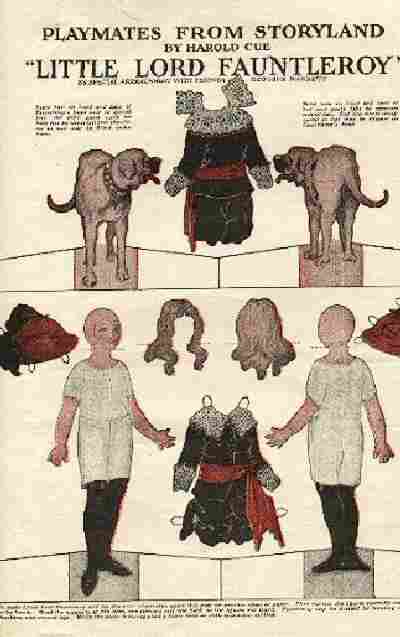
Figure 1.--This Fauntleroy page was one page of a paper doll set published in 1922 based on literary characters. |

|
Paper dolls are cut-out figures. Separate, cut-out clothes allowed little girls to try on different outfits. They could be fastened with tabs bent around the edges. Paper dolls originated in the early 19th century as inexpensive playthings for children, and remained popular for the next 150 years. The first sets were expensive hand-colored engravings, which evolved into the delightful full-color lithographs of the early 1900s, and later still, into the beautiful books that many recall from childhood. The fashions depicted for the paper dolls, especially when depicting contemporary clothes, provide useful information on fashion. After the turn of the 20th century we see magazines including paper dolls as an added attraction for children.
Paper dolls often focused primarily on women's fashions, but by the turn of the 20th century family sets appeared which provide some useful information on how children including boys were dressed.
Paper dolls originated in the early 19th century as relatively inexpensive playthings for children, and remained popular for the next 150 years. We have not yet found any 19th century examples. We have found many 20th century examples. Color lithography was well developed by the late 19th century to permit high-quality color paper dolls. We note magazines in the early 20th century adding paper doll pages which were popular with girls. We see them in both women's magazines and children's magazines. They became regular features in several important mass-circulation magazines. Subsequently children could buy booklets of beautifully printed paper doll sets on thicker paper than possible in magazines.
Paper dolls were primarily created for fashion concious little girls to play dressup. They dealt with popular contemporary fashions. Other paper doll books were created with rhemes like literary characters or popular film stars.
Playing with cut-out dolls was a major form of entertainment for children in the early decades of the 20th century in America. Such dolls were particularly popular with girls, but boys probably engaged in the activity to some extent also--especially in their younger years. The fact that these dolls appeared in a woman's magazine is significant. I doubt that a boy's magazine would have carried them. But the Ladies' Home Journal does carry many ads pertaining to boys' clothing, probably because, typically, mothers did the shopping rather than fathers. A teacher in 2009 tells us, "I use paper dolls like this in my English and history teaching. I teach 10 year olds in grade 4. My girls like doing cut outs and costuming in this way. The boys, however, can't be bothered. A lot of paper doll sets are about little girls and fashionable women. The girls love working with this material. The exception for the boys is when the paper doll sets have something that appeals to the boys--especially military uniforms. I am always looking for sets like that so the whole class can work on a project togther. The boys like military cut out figers, especially knights and solders. Social scenes sometimes work too."

Navigate the Boys' Historical Clothing Web Site:
[Return to Main gender destinctive toy page]
[Return to Main toy page]
[Return to Main activities page]
[Introduction]
[Activities]
[Biographies]
[Chronology]
[Cloth and textiles]
[Clothing styles]
[Countries]
[Topics]
[Bibliographies]
[Contributions]
[FAQs]
[Glossaries]
[Images]
[Images]
[Links]
[Registration]
[Tools]
[Boys' Clothing Home]