|
Sweden was the only Scandinavian country and one of the few Europen countries not to be drawn into World War II. Like many countries, Sweden proclained its neutrality. Sweden remained neutral in World war I and hoped t0 do so again after World war II broke out in Europe. When the NAZIs invded Denmark and Norway (April 1940), it was expected that Sweden would be next. In the end no military action took place on Swedish soil, but tht does not mean that Sweden was not affected by the War and played a part in it. Sweden acceeded to German demands to use the Swedish railroad system to move men and material into Norway, but only after the Germans were securely in control of the country. When the NAZIs invaded Denmark and Norway (April 1940), it was expected that Sweden would be next. We do not know to what extent Hitler considered invading Sweden and what disuaded him from doing so. The NAZIs finally concluded that Sweden would prove more useful as a neutral country. Sweden's primary role in the War was to supply raw materials (mineral ores, especially iron ore), finished steel, and manufactured goods to NAZI Gemany. Surrounded by the NAZIs, Sweden had few options. Cut off from other trading partnes, Sweden proceeded to expand trade with the Germans and Swedish raw materials supported the Gernman war effort until late in the war.
The kings of the three Scandinavian countries met in Malmö to make a joint declaration of absolute neutrality (December 1914). Neutrality had growing support aming scandinavians. While neutral, the Swedish public had considerable sympathy for the Germans. King Gustav V in particular favored the Germans. He delivered a speech written by explorer Sven Hedin which seem to favor entering the war on Germany’s side (February 6, 1915). The Swedish public, however, had no desire to enter the War and thus Sweden remained neutral. Sweden had significant trade links with Germany. Sweden in particular shipped iron ore to Germany which supported the Grman armaments industry. The Baltic was essentially a German lake and the Royal Navy could not interdict these shipments. Some of the ore shipments, however, were shipped through Norwegian ports. The Royal Navy could interdict these shipments. Diplomatic pressure from Britain and France had some success in reducing other Swedish shipments to Germany.
The Swedish monarchy in the 19th century evolved into a parlimentary democracy. Sweden was in the 20th century a politically stable country with only minor extremetist factions. There was in Sweden neither an important Communist or Fascist party that generated support for paticipation in the War. Despite his defeat in the struggle for the personal power of the King, Gustaf V won the affection of his people during his long reign, 1907-1950. During World War II, King Gustaf symbolized the unity of the nation. This meant that the monarchy was rooted in the personal popularity of the King. King Gustavus V died after the War at Drottningholm near Stockholm (1950).
The principle of neutrality was growing in Sweden and managed to kep the Swedes out of Wold War I. This did not mean that the Swedes were not cocerned about international affairs or unmoved about the plight of other people. Many Swedes were concerned about the rise of Fascism in Europe, especiallu after Hitler seized power in Germany. The first Fascist power, however, was Missolini's Italy. And the first Fascist victim was Ethiopia (Abyssinia), one of the only independent African countries (October 1935). The Swedish Government of course did not intervene, but that did not prevent private citizens from getting involved. A group of wedish doctorsdecided to organize an ambulance corps, meaning not only abulances, but a field hospital as well. Ethiopia was a poor, backward country with few dictors and no developed military medical system. The project was supported by the Swedish Red Cross (SRC). The immediate problem was that few Swedes had any knowledge of the Ethiopian people, culture, weather, or geography. The SRC found two very capable individuals. The first was Doctor Fride Hylander, the son of a missionaries. He had been working on a hospital project in Harrar. Dr. Hylander talked a close friend into assisting him, Dr. Gunnar Agge. He also had experience in Ethiopia. He had worked in projects to improve the health care system in Harrar and then later worked as a civilian and military doctor in Ogaden. There he was responsible for the medical care of over 9,000 Ethiopian soldiers that Emperor Haile Selassie had deployed there because of scattered inursions from Italian Somaliland. The two project directors handpicked the the other members of the medical team. Most of the members were interested in the projct because of strongly held Christian beliefs. The SRC launched a drive to finnce the project which in axfew weeks collected 0.7 million crowns, twice the estimated project cost. The ambulance project set out (November 1935). The olan was to enter Ethiopia through British Somaliland and establish a field-hospital in Harrar. The Emperor had other ideas. He wanted to divide the project and deploy some of it closer to the front line. The project encounteed enormous difficulties. There were problems caused by seasonal rains and almost non-existen roads. It tooks weeks to reach their assigned location. Dr. Agge headed the smaller group. He took 2 months to reach eastern Ethiopia. The larger group aarived in Mälka Dida (December 19). The Italian Air Force soon spotted it. And despite being clerly marked with Red Cross banners, Italian planes bombed it days after it had begun to treat the wiunded (December 30). They destroyed the field-hospital and the medical equipment. Swedish medical orderly Gunnar Lundström died of his injuries. Dr. Hylander was seriously wounded, but recovered. The remaing project members were forced back to Addis Ababa and then joined the smaller group which was still untouched. The SRC ordered the group home (May 1936). The project was running out of medical supplies and they feared another Italian air attack. Ethiopia was inhos as the country disentegrated under the Italian invasion. After an exhausting and dangerous journey, they made into the birde of British Kenya. They had treated thousands of patients, both civilian and militry. They would have treated far more had the Italians not bombed the main hospital.
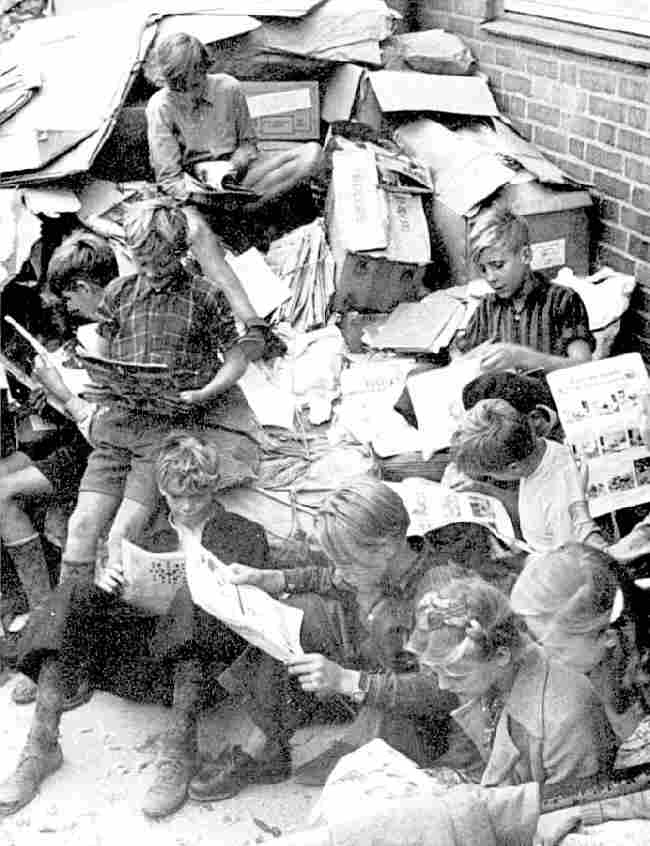
Sweden did not have a significant military capability. It was neutral in Workd war I and made no efort to expand its military during the War. It did create the Lottorna (Swedish Women's Voluntary Defense Service) after World War I (1924). Sweden had an even more limited military capablity than Switzerland. It could not have resisted a German invasion. Unlike Switzerland, the terraine was no barrier. As a result of the massive German Rearmament program, Sweden had to reconsider its foreign and defense policies. Swedish foreign policy was based on neutrality and support for the League of Nations. The failure of the League in the mid-30s meant that Sweden had to adjust its thinking. This began with small increase in defense spending. The Swedes increased spending from US$37 million in 1936, to $50 million in 1937, to $59 million in 1938. After Munich the Swedes massively increased spending over fivefold to $322 million in 1939. Miltary spending during the War peaked at $528 million in 1942. While a huge increase in relative terms and for the Swedes given the size of the economy, it was not meanihgful in World War II terms, especially as Swedish industry did not have the capability of producing advanced weapons. The Swedes had little advanced weaponry of any importance and made only limited efforts to acquire any during the inter-War era, even after Hitler seized power (1933). At the time the Swedes had World War I tanks (Stridsvagn mf/21s). The Swedish Government about every 5 years conducted a defense assessmnt. The 1936 Defence Resolution" (Försvarsbeslut) made a commitment to form two tank battalions. Fale Burman, Chief of Army Procurement (Arméns utrustningsdetalj) pointd out that if they opted for tanks with artillery (as opposed to machine guns), they could have at the most in 15-20 tanks--a meaningless force in World War II terms. [Linder, p. 53.] Some lighter machine-gun tanks were also purchased. At the time Hitler and Stalin launched World War II, Sweden had 48 Czech tanks with machine gun armament and about 20 Landsverk L-120 tanks armed with a 37 main gun. [Linder, p. 54.] The Swedish Army hfor decaded consisted of four divisions. The regiments stationed in northern Norrland and Gotland were organizationally separate units. This was judged to be obsolte and the Army's organization was changed (1942). [Linder, p. 52.] The war affected Sweden's ability to arm itself. Before the War, Sweden imported many manufctured goods. Onece the war broke out, the Royal Navy blockade of Germany, impaired the country's ability to import. Swedish industry had to supply previous imported products. At the me time, the Swish military incrased orders. It became virtually impossible to import arms, except for material the Germans decided to make available. Sweden annual production of armaments during the 1930s was in tens of millions of Swedish kronor (SEK), but during the war, the Swedes approved arms purchases exceeding SEK 1 billion (US$240 million). Along with increased spending in arms, the Swedes ininitated conscription The Goverment began drafting 15-yearold for short periods of milirary training. One source says concription was begun in May 1938. We notice press photographs of very young consripts a year earlir (figure 1). And a quarter of the draftees were retaind for advanced training (1938). After the war began, Sweden established a Home Guard (Hemvärnet) (1940). It was organized into small groups of retired soldiers who were equipped with small arms (rifles and machine guns). They had the option to buy additional materials such as skis, sweaters and marching boots. Sweden did not have a significant military capability. The country had an even more limited military capablity than Switzerland. It could have easily been seized by the NAZIS had Hitler decided to do so. The Germans had troops in Norway, Finland, and Denmark, bit it would have been another country that they would have had to garrison. The War weas decided in the East and in the West after Normandy. Substantial numbers of German troops deployed in Norway and the Balkansd ere thus useless to the defense of the Reich. An invavsion of Sweden would have only required a further diversion of masnpower.
Hitler and Stalin launched World War II by invading Poland (September 1939). Germany began the whole enterprise (September1). Britain and France declared war on Germany (September 3). King Gustaf when rumors of British sabotage circulated in Stockholm, urged the British to 'stop the madness'. There seems to have been no realization on the King's part as to what would happen if the British an French ended the War. He seems to have convinced himself that it was Britin and France who were a threat to peace. Churchill saw matters very differently. Churchill did nottake kindly to self-designated peace makers who he believed leaked vital information. He wrote in a confidential memo, :The King of Sweden's intrussion as a pecemaker when he is so absolutely in Germany's grip ... is singularly distasteful." [Stevenso, p. 64.] And Primeminister Chamberlain continued to hope for peace. Swedish businessman Birger Dalherus who had ties to Göring flew back and forth between Berlin and London in the days before the War. He was pat ofthereason Chambrlain delay th declaratiin of war 3 days. After Hitler launched the War, he continued to play the peace maker. seems to have encourafed these hopes and Chamberlain took him seriously, He urged Chamberlain to do nothing to provoke the Führer. Mean while Hitler was busy murdering Polish aristocrats, army officers, intelectuals, priests, former governmnt officials, university profssors and other deemed to be the repository of Polish national culture as well as Jews--A-B Aktion. Stalin was busy doing the same in his occupation zone without the Jewish component. Dahlerus was largely controlled by Göring. His wife owned large estates in Germany that could be confiscated if Daglerus in any way failed to please the Germans. [Stevenson, p. 73.] Dahlerus carried plea from King Gustav to stop efforts to sabotage Swedush trade with Germany. This allplayed into Chambrlain's belief that it was possible to replace Hitler with the more moderate Göring if Chamberlain did not press the war effort.
As always, geography plays a role in war. And this affected Sweden's ability to remain neutral in the War. German priorities were primarily ficused west toward France and Britain an East toward the vast Eurasian Steppe, meaning Poland and the Soviet Union. Even when the Air war intensified (1942). American and British bombdrs did not have to cross Swedish air space to get at the Reich. And Sweden did not have an Arctic Ocean coast, so was not involved in the Arctic convoy campaign which after the NAZI inasion of the Soviet Union (June 1941) delivered supplies to the Soviet port of Murmansk. Sweden supplied raw material (especially iron ore) and manufactured goods to the NAZI war economy until late in the War. It was the main contributor of iron ore to the NAZI war economy--over 40 prcentb of the Reich's iron ore used to produce steel--the suingle most imprtant metal in weapons manufacture. The iron orer was seasonally delivered by merchant shipping across the Baltic Sea. The iron ore was mined in northern Sweden and primarily shipped from the port of Luleå down the Gulf of Bothnia to the German north Baltic ports (May to Novenmber). Luleå, however froze over during the Winter. Sweden's ‘Iron Ore Line' from Luleå to Kiruna was extended all the way into Norway because of the ice-free harbor at Narvik (1903). As a result, much of Sweden's iron ore was delivered through the Norwegian port of Narvik. This would lead to the German invasion of Norway (1940). So as the Germans were getting what they needed from Sweden, they did not invade the contury. Without Swedish iron ore, Hitler could not have launched World War II, but Sweden like Finland also had the Soviet threat to be concerned with.
Like many countries, Sweden after Germany invaded Poland proclaimed its neutrality (September 1939). Sweden remained neutral in World War I and hoped to do so again after World war II broke out in Europe. Unlike World war I, there was little sympthy for the Germans in Sweden during World War II. Sweden until the Napolenoic Era had been a major European power. By the 20th century, Scandinavian attitudes had changed. The population had increasingly adopted a more pascifistic outlook with muted national outlooks than was the case in much of the rest of Europe. In the end no military action took place on Swedish soil, but this does not mean that Sweden was not affected by the War and played a part in it. There was military action all around Sweden. Both the Germans and Soviets invaded Poland to the south (September 1939). The Soviets attacked Finland to the east in what became known as the Winter war (November 1939). The Germans attacked Denmark and Norway to the east (April 1940). The Soviers completed their tke over of thge Baltic states (Estonia, Lativia, and Lithusnis) (July 1940). The Swedes braced for a German attack, but it never came. And the Finns joined the Germans in Babarossa (June 1941). This left Sweden completely surronded. Sweden was vital to the German war effort. It was their major supplier of iron ore. Germany had domestic iron ore mines, bit they did not produce enough to suppy Geramn's large steel industry. And German iron ore was of lw quality (klow iron content). Sweden supplied much of what the German steel industry required and with high grade ore. [Karlbom] Germany required , much of it shipped through the Norwegian port of Narvik wjen the Baltic ports froze. As the Swedes continued to supply the iron ore, Hitler apparently decided an invasion was not necessary. And the Swedes made concessions to apease Hitler. This and the iron ore shipments meant that Sweden was not strictly neutral. Sweden declared itself to be 'non-belligerent' in the Winter War which is not the same as neutral. The Swedes aided Finland economically and with som armaments. Sweden and Finland jointly laid minefields in the Sea of Åland to prevent Soviet submarines from entering the Gulf of Bothnia.
The Swedes were also not strictly neutral in dealing with the Germans. This was most flagarantly the case during Barbarossa. Sweden permitted the Germans to transport the 163rd Infantry Division and its equipment from Norway to Finland on the Sedish railwy system (June–July 1941). German soldiers in Norway were allowed to pass through Sweden for homeleave in Germany-- permittenttrafik. At the same time the Swedish military passed intelligence to the British. And the Swedes not only gave refuge to individuals escaping the German occupation, but provided military training to them.
After the NAZI-Soviet destruction of Poland (September 1939), Finland was the next country to be invaded. This time the Soviet Union acted alone. Small countries around the world including the Baltic countries had relied on neutrlity and the League of nations for their security. Bordering on NAZI Germany and the Soviet Union meant it was a very dangerous situation. And the League of Nations response to the Italian invasion of Ethiopia mean that a defense posture based on the League was chemerical. Finland was not a Scandanavia country, but had historical ties to Sweden. The two counties had discussed defense cooperation, especially over the Gulf of Finland, but no treaty was sighned. Neither country had a military establishmnt to resist a sustaimed attack by gheir powerful neigbors, even if they signed a mutual defense treaty. And their were political and strategic differences. Both Swedes and Finns differed on bilateral relations. Some Swedes saw Finnish politics as unstable, bordering on recklessmess. nd they differed on the treat. The Swedes tended to see NAZI Germany as the principal threat while the Finns saw the Soviet Union as the major threat. And several issues had mared their bilaterial relations in the inter-War era, including the Åland crisis, language strife, and the Lapua Movement. The two countries hoped to play the NAZIs and Soviets off each other given their seemingly implacable hostility. This was undone by the NAZI-Soviet Non-Aggression Pact (August 1939).
The Swedes as much of the world were sympathetic toward the Finns when the Soviets invaded (November 1939). Sweden publicly spported Finland, but informed Finnish Foreign Minister Elias Erkko that Swedish would not become actively involved in the War. The Swedish Government was divided even over defending the Åland Islands. There were some volunteers which fought with the Finns and the Swedes delivered supplies to the embattled Finns. Much of this was done covertly, such as Swedish units losing equipment and material along the border. A factor here was the officers in charge of Swedish supply units converting the Swedish Army Stores at Boden as a Finnish supply base.
Sweden refused, however, to openly and directly support te Finns militarily. Sweden refused to allow Britiain and France to send troops across Swedish territory. In retrospect this probably saved the Allies from what would have been a catotrophic mistake. Hitler hoped that Swedish sympathy for the Finns might enduce them to join his crusade against the Soviets.
Hitler issued a Directive for "Case Weser exercise"--the invasion of Demamark and Norway (March 1, 1940). The Swedes were shocked when the NAZIs invaded neigboring Denmark and Norway. When Germany invaded Denmark and Norway, Sweden mobilized for a German attack, but it never came. Denmark did not seriously resist. The Norwegians had no professionl army. Britain and France intervened, but the Germans were soon in control (April). With the fall of France, Hitler and the NAZIs controlled much of Western Europe. The NAZIs demand the use of the Swedish railway system. The Swedes agreed to allow German sldiers to transit from Trelleborg, Sweden, to Oslo, Norway June 18). The Swedes also aceed to German demands that the Swedish railroad system transport German war material across Sweden to German units occupying Norway (July 8). This was important as the British Royal Navy and Air Force could intercept German marine cargo transports. After the War there was considerable butterness in Norway concerning the Swedish role in the NAZI occupation of Norway. In reality, however, if the Swedes had defied the NAZIs, a German invasion very liked would have ocurred. There was low-level covert training and supplying of resistance fightrs in both Norway and Denmark.
When the NAZIs invaded Denmark and Norway (April 1940), it was widely expected that Sweden would be next. Many Swedes assumed this. We do not know to what extent Hitler considered invading Sweden and what disuaded him from doing so. Switzerland was in a similar position.
Hitler apparently concluded that Sweden would prove more useful as a neutral country. Hitler had a racial world view. He hated the Poles and Russians because they were Slavs, explaining his invasion of those countries, both out of racial hatred and the desire to seize their land and resources. The invasion of Denmark and Norway was different. Here for racial reasons he admired the people of both countries who were even more Nordic than the Germans. The invasion here was primarily because the Allies were prepared to mine Norwegian harbors which would have cut Germany off from Norwegian iron ore as well as impaired the ability of the U-boats to reach the Atlantic. There was no real military imparaive to invade Sweden as the Swedes were willing to supply German with essential war materials. And the Swedes werte prepsared to fight. Invading Sweden would have diverted resources from Barbarossawhich Hitler by late 940 was devoting his attention. And of course after his expected quick success in the Soviet Union, the Swedes, Swiss and Spanish would have no choice but to comply with his orders.
Swedish explorer (1865-1952) Sven Hedin was a Germanophile and NAZI sympathizer. He went to Germany many times to visit with Hitler. Sweden was one of the few European countries not occupied by the Germans. Hedin wrote several books especially for boys . And he always showed interest in the youth movements.
Sweden did not play a major role in World war II, at least in military terms. It offered some support to Finland during the Winter War. But the major importance of Sweden during World War II was in the material sphere. The Germany that Hitler took to war in 1939 lacked virtually all of the raw materials needed by its industry to wage a modern war. One of the most important was the iron ore needed to produce steel. It would be Sweden that provided the iron ore Germany needed. More than half the iron ore that fed German factories during the War would come from Sweden. Without Swedish iron ore, Germany could bit have fought World War II. The Royal Navy later joined by the U.S. Navy could blockade Germany an prevent Atlantic imports. It could not prevent Germany from importing Swedish iron ore across Baltic and Norwegian coastal routes. Allied mines and Soviet subs would sink some of the ore ships, but the vast majority of the ore shipments got through to the Reich and kept German industry well supplied throughout the War.
Sweden's primary role in the War was to supply raw materials (mineral ores, especially iron ore), finished steel, and manufactured goods to NAZI Gemany. Sweden was responsible for the most iron ore imported by the Germans. The Kiruna-Gällivare ore fields in Northern Sweden were vital to the German war effort. Germany could not have prosecuted the War without Swedish iron ore. During the summer the ore was shipped from the Swedish port of Lulea on the Gulf of Bothnia. Durin the winter it was sent by rail to the Norwgian port od Narvik and then by ship to the Reich. Chufchill from the pointb he was returnd to the Admiralty raised this issue in the Caninet. [Churchill, p. 197.] The country was surrounded by the NAZIs on all sides, after the Germans occupied Norway. Sweden had few options but to deal with the Germans. If the Sweses had cut off iron ore shipments, there is no doubt the Germans would have invaded. Before the German invasion of Norway, some resistance ould have been possible. With the Wehrmacht installed in Norways and Denmrk. Resistance was virtually impossible, although the mines could have been put out of commission. Cut off from other trading partnes, Sweden proceeded to expand trade with the Germans, essentially becoming part of the German Großraum. This was something that Hitler did not fully understand. He got his iron ore, but to keep the Swedih economy running so the iron ore flowed, Germamy had to provide the Swedes coal, petroleum, and other resources badly needed by the German war industries and the military. Swedish raw materials supported the Gernman war effort until late in the war.
The Swedish Army played no role on the war, except as volunteers during the Winter War (1939-40). Sweden with the outbreak of the War began to mobilize and expand its army. Sweeden was completely syrrounded by Germany, German-occupied countries, and Finland--a co-beligerent with Germany (1941-44). Sweden allowed the Germans to use its railways to move men and material across the country. This proved useful both to the Gemans in both Norway and the northern operations against the Soviet Union. Some German and Latvian soldiers fighting with the Germans who crosse the border were interned by Swedes. At the end of the Wat they were turned over to Soviet authoriries. Some committed suiside rather than going into Soviet captivity.
The Swedis World War II naval campaign was primarily the Baltic Sea campaign. The Sweden allowed its naval forces to deteriorate after world War I, but conducted a crash building program with the advent of the War. Although Sweden was legally neutral, the Swedish Navy assisted Finland in mining operations during the Winter war with the Soviets. After the Germans invaded the Soviet Union, they turned the Bltic into a German lake (June 1941). The only Red Navy vessels capable of operating in the Baltic were submarines. Red Navy subs took advantage of Swedish neutrality by transiting in or close to Swedish waters to evade German anti-submarine efforts and to hide their movements from German reconnaissance flights. The Soviets did not fully trust Swedish neutrality given Sweden's close relations with the Germans. They are believed to have conducted intelligence operations on Sweden's military capabilities. Many believe that the sinking of Swedish submarine Ulven (1943) and the explosion at Musko Naval Base (1943) causing the loss of three Swedish destroyers. The Germans had no reason for such an attack. While Swedish naval operations were of only minor imprtance, keeping the sealanes both in the Baltic and along the Norwegian coast was of major importance to the German wae econmy. Sweden was German'y major source of iron ore for German industry. NAZI Germany could not have fought World War II without Swedish iron ore. German and Swedish ships carrying iron ore to Germany were targetted by both sea and air. Most of the ships sunk were hit by Soviet subs and mines laid by the Soviets and Allied aircraft.
Sweden had a very snall airforce with basically obsolete aircraft. Not only was it neutral, but geographically it was out of the line of fire in terms of the air war. Allied air attacks target the Reich and di not cross Swedish territory. German air operations except briefly when invading Denmark and Norway were directed west toward the Allies and East toward the Soviets. There were some Soviet attacks largely because of Swedish support for Finland during the winter war and Finnish participation in the war as a cobeligerent with the Germans. The Red Air Force conducted three known air raids on Swedish targets (both cities and shipping) during the War. There were also several accidental attacks. While the Swedes experienced none of the massive devistation of the major beligerants there were quite a number of air incidents. Soviet submarines did more damage to Swedush shippin than air attacks. A German fighter fired by mistake at a commercial airliner flying beteen Malmö and Amsterdam (September 26, 1939). There was one fatality. It is difficult to see how the German pilot could have thought it was Polish. The Allies dropped mines in the southern Baltic Sea south of Sweden targtting German shipping (December ? 1939). Magnetic mines were especially dangerous with Swedish and German ships carrying iron ore. Two Swedish and one Finnish merchant ship left Åbo in Finland sailing toward Sweden (January 31, 1940). Fenris and Wirgo, both Swedish, were.
Soviet bombers attacked the Swedish town of Pajala Kyrkby which is believed to have been a mistake (early 1940). Anti-aircraft ballons drifted over Sweden damaging electrical lines (Speptember 17, 1940). The Sweses counted 120 baloons.
There were also fire baloon weapons (June 7, 1943).
The Swedish government decided not to install anti-aircraft guns on Swedish merchant ships.
British bombers attacked German and Swedish shipping noving iron ore fron Narvik to the Reich nd returing with coal and coke, some docking at Rotterdam British aircraft attacked the Swedish s/s Narvik (about September 12, 1941). Given the number of trips made without incient, the Btitish did not seriously interdict shioments. The sinking ship was towed to Maashaven, and she was sucessfully repaired. The Germans found another two smaller bombs that had not exploded. Convoys were also attacked by submarines and motor torpedo boats. British bombers attacked another Narvik convoy (April 29, 1943). This time s/s/ Narvilk was sunk. A German fighter shot down a Swedish passenger plane (1943). The Swedish courier plane Gripen was shot down (October 23, 1943). British bombers hit Lund in southern Sweden (November 19, 1943).
Two Swedish ships delivering relief supplies to the Greeks who were suffering from a severe famine were sunk in the Mediterranean Sea. m/s Camelia hit a mine in Saloniki harbor (December 29, 1943). British aircraft badly damaged m/s Wiril (February 7, 1944). It is believed that misunderstanding between the German and British Red Cross delegates in London about departure times made the British bomber crew believe that the Germans had camouflaged a ship.
Soviet bombers flew over southern Stockholm as well as locations Sörmland District dropping some bombs (February 22, 1944). The Soviet motivation is unclear. Two persons were injured. A German munition ship or Swedish action against a Soviet spy might have been resonsible. American bonbers struck Stettin in eastern Germany (May 13, 1944). The small tanker BT V with synthetic lubrication oil for Sweden was damaged.
Another Swedish ship, m/t Sigrid Reuter was damaged in harbor durijg an Allied raid on Hamburg. [Granfoss] In the final months od the War, the Swedes allowed the Allies to use airfields in Sweden. This was not for the stratgic nombing campaigns. The Swedes refised to participate in this nd there was no way of geting needed odinnce and supplys into Sweden. The main purpose of these bases was to participate in the liberation of Norway and Denmark.
While Sweden remained neutral in the War, a few Swedes volunteered for war duty with biligerant countries. Sweedes strongly supported neigboring Finland in the Winter war. A number of Swedes volunteered to fight with the ebattled Finns after the Soviet invasion (1939). I'm not sure about the actual numbers. A much smaller number voluntered to fight in the the NAZI anti-Bolshevik war against the Soviet Union. Most Sweedes believed in democracy and were horrified with Hitler and the NAZIs. There was, however, also concern with Stalin and the Communists. Thus Hitler's crusade against Communism appealed to a few Sweedes. And thereweresome Swedes sympathetic to Germany.
Sweden was the only Nordic country not invaded during World War II. It was thus surounded by the War, but not invaded. Thus there was no distruction and loss of life. No NAZI or Soviet occupation. W hich means that many aspects of Swedish life continued unhindered. That of course does not mean that Sweden was unaffected. Sweden was an industrial country albeit with a substantial agricultural sector. And surrounded by the NAZIs meant that many of its export markets were cut off. This had a substnatial impact on it economy and thus the lives of the population. They could trade with Germany. But the Germans had little to offer in exchange. Their economy was geared for War. There was no major non-military poiducts the Germans could offere in exchange for food products. The major product the Germans could offer was fuel, mostly coal. The German were experiencing coal shortages, but had to provide some shipments as the coal was needed to move iron ore shipments to the Reich. Even so coal imports declined by half and oil which the Germans needed desperately declined by nearly 90 percent. Some important raw materials such as rubber and metal alloys were simply unavailable. The result was serious shortages. Food was also important. Sweden produced more of its food than many countries like Britain and Germany and because it was not occupied, the Germans could not seize food supplies. Even so, Sweden before the War did import some of its food which was no longer possible, And the seious energy situation adversely affected food production. The Government had to ration fuel and food. Sone domestic subsstututes had to be developed. [Wangel, pp. 338–351.]
Food was a problem because Sweden was not completely self sufficent before the War and it became difficult to import food. In addition the fuel shortages and various war measures adversely affected the agicultural economy and production. Sweden attempted to adjust with severe rationing of both fuels and food. The Government despite all the problems managed to maintain consumption levels at satisfactory levels. [Angell-Andersen, p. 343.] Farmers managed to increase production at some crops. As a result, the country's economy declined during the War, but compared to country's occupied by the Germans, life continued normally.
Sweden was an industrial country albeit with a substantial agricultural sector. And surrounded by the NAZIs meant that many of its export markets were cut off. This has a substnatialmimpact on it economy and thus the lives of the population. The Swesish economy was dependant on international trade. Sweden had declared itself neutral during World War. And it profited profiting from the booming demand for raw materials and foodstuffs and the lessen competition from other exporters. [Baten, p. 25.] Another factor was the despeation of importers (Germany and Russia).
Sweden benefitted from the booming world economy of the 1920s. Despite its expot oriented economy, Sweden dealt with the Depression better than many countries, especially Germany which was also dependant on international trade. Sweden was described in the American popular media as one of the most prosperous countries in the world before World War II. ['King Gustaf ...'] World War II, however, was different for Sweden. The major impact of the World War II for Sweden was that except for Germany, Sweden was cut off from internation trade. The Germans controlled the Baltic, converting it into an interior lake. All prts except Lenningrad were contolled by the Germans and Leningrad was cut off and beseigned by the Germans.
This did considerable damage to the Swedish economy. Sweden was a net food importer and thus food became a problem during the War. The food problem could be mamaged. There were shortages, but no severe crisis. Another problem was energy which was so evere that it could not be managed. Sweden imported most of of its energy, both coal and petroleum products. The coal came primarily from Britain and the oil from America. These shipments ceased as a result of the British and German naval actions. This could have brought the Swedish economy to a hault. Fortunately for the Swedes, the Germans needed the Sedish economy to continue functioning. Continued shipments of Swedish iron were indespensible and they also needed Swedish machine parts, ball-bearings, and other products. Sweden became part of the German Großraum. They could trade with Germany. But the Germans had little to offer in exchange. Their economy was geared for War. There was no major non-military products the Germans could offer in excahnge or food products. Unlike occupied countries, the Germans had to pay for the iron ore and manufactured goods obtined in Sweden and this included badly needed strategic materials like coal, petroleum products, and food--all badly needed for the German war economy. The major product the Germans were willing to offer was fuel, mostly coal. The Germans had little oil to offer, but they did have coal. They could not provide the quantities Sweden needed, but they did prpvide enough coal to keep the Swedish economy functioning. The German were experiencing coal shortages, but had to provide some shipments as the coal was needed to move iron ore shipments to the Reich. Even so coal imports declined by half and oil which the Germans needed desperately declined by nearly 90 percent from pre-War levels. Some important raw materilas such as rubber and metal alloys were simply unavailable. They did get nickle from the Finnish Petsamo mine. The result was serious shortages. Food was also important. Sweden produced more of its food than many countries like Britain and Germany and because it was not occupied, the Germans could nir seze food supplies like it did in Denmark and Norway. Even so, Sweden before the War did import some of its food which was no longer possible. And the serious energy situation adversely affected domstic food production. The Government as a result had to ration fuel and food. Sone domestic subsstututes had to be developed. [Wangel, pp. 338–351.]
Sweden managed to remain neutral, avoiding invasion and occupation during World War II, the only Nordic country to manage this. The reason was that Sweden provided the NAZIs what they wanted, vital shipments of iron ore. Germany could not have fought the War without Swedish iron ore. Invasion would have disrupted these shipments. The country was, however, adversely affected by the War. Sweden was an an industrialized trading country. The War impaired the country's ability to trade as a result of the British and German naval blockades. There were some accidental bombings. The Soviets bombed Strängnäs and other cities. It was the naval blockades, however, that had the greatest impact. This affected Sweden's ability to import fuel and food as well as to export its manufactured goods. Germany invaded Denmark and Norway (April 1940) this essentially made the westen Baltic a German lake. Every ship leaving Swedish waters had to get permission from the Germans. And the British North Sea blockade meant that every Swedish ship attempting to enter the atlantic had to be negotiated with British and German authorities. This of course significantly reduced the volume of Swedish trade. Swedish import of petroleum products and coal plummeted nearly 90 percent and over 50 percent espectively. The result was severe shortages. Fuel was not the only problem. There were also shortages of rubber, non-ferous metals, and food. The Swedes manged to get permission for a small number of Swedish ships with goods from neutral countries (mostly grains and from Argentina and oil from Venezuela) to pass through the British and German blockades. Food was a problem because Sweden was not completely self sufficent before the War and it became difficult to import food. In addition the fuel shortages and various war measures adversely affected the agicultural economy and production. Sweden attempted to adjust with severe rationing of both fuels and food. The Government despite all the problems managed to maintain consumption levels at satisfactory levels. [Angell-Andersen, p. 343.] Farmers managed to increase prodyction at some crops. One historian explains, "Food consumption changed in a uniform way in all the Nordic countries in that consumption of meat, sugar and fats decreased, while that of vegetable and potato increased in the period of interest. Even though the change was uniform, its magnitude varied markedly." [Angell-Andersen, p. 344.] Some ersatz products were developed. The major effort was with fuel. They included wood gas and shale oil. [Wangel, pp. 444–465.] Despite the shortages, Sweden shipped food and arms to Finland when the Soviet Union invaded to country launching the Winter war (November 1939). The Swedes also took in some 70,000 Finnish children because of food shortages in Finland. The Swedes were able to get some food and coal from Germany. As the Germans did not occupy Sweden, they had to pay for the iron ore they imported.
Sweden as during World War I attempted to deal with developing shortages with rationing of both fuels and food. One of the most serious problems was the fact that gassoline and rubber (for tires) were practically unavailable. The Government begans to ration consumer goods, first coffee and tea (March 1940). s introduced. Eventually most things needed for daily life wererationed. A wide bariety of other food products were rationed, including bread, dairy (butter, cheese, cream, and milk), eggs, meat, and sugar. Many other items were rationed, including clothes, fuel (coal and gasoline), shoes, soap, and tobacco products. Coffee, especially popular in Sweden, was one of the most difficult products to obtain, as was cigarettes. The coffe ration was something like one cup per week. For children the greatest loss was sugar meaning candy and other sweets. A huge number of ersazt products appeared. There were 258 coffee sibstitutes, none very appealing. Gasoline was virtully unobbstainable. There were 300,009 cars on the road in Sweden before the War--very high in per-capita terns in Eurooe. Few could be operated during the War because of gasoline and tire (rubber) shortages. Shoes could be purchasesonly once every 18 months. Soles were also rationed. All because of leather shortages. The Government despite all the problems managed to maintain consumption levels at satisfactory levels. [Angell-Andersen, p. 343.] Enumerabe ersatz products appeared. The Government worked on producing oil from wood, but not vrybsucessfully. The Germans had a substantial synthetic fuel program producing oil from coal, but the Swedes did not have a substantial coal resource and the process was expensive.
In our websites we are especially interested in the impact on children of historicl events and the lesser impact that children have had on history, We do not have a lot of information on Swedish children during the War. Of all the children in Europe our assessment is thar that they probably made out better than children in any other country. There were no evacuations as in Britain which turned the lives of children upside down. In fact, after the Soviets invaded neighboring Finland, Sweden took in large numbers of Finnish evacuee children. There was no bombing or distructive military campigns. Fathers and brothers ere not seprated from families. Women were not mobilized for war work. There were no mass civilian casualties. Kids went to school as was the case before the War. Scouting orograms continued. Recreational program like swimming, camos, and outings continued to an extent. Fuel shortages was one of the major constraints. Oil was vms virtutally unobtainable affecting both industry and jobs. CThis was also trur of coal. Children were affected because theirvfathers were unemployed. Transport was also affected whivh has economic implivations as well as family travel. Food had to nbe rationed. This was notbas severevas mostbcountries, but civilians werevaffected,. The inability to import products in quantity affected the availability of food products not grown in high lattitude countries like coffee. As for children the most significant commodity was sugar. Thw avaiability of candy was thus sharply reduced. Chocalate was basically unknown, until after the War.
Sweden was a democratic country with a free press. It and Switzerland were the only democracies left on the continent. Swedish opinion was by no means monolithic, but the great majority favored the Allies and oposed the Gernans and Soviets. (Germany and the Soviet Union were allies invading one country after another until (June 194). his was a shift from World war II when there was considerable support for the Germans. Swedish public's sentiments were clearly expressed in the press. The SWedish press was monotored by the German Embassy and the German Government began complaing. This ocurred at a time when the Swedes were most converned about a possible German invasion. They had already invaded Denmark and Norway and before Barbarossa, an invasion of Sweden was a real possibility. The Sedish Government attempted to apease the Germans with a limited censorship through the War Information Board and Swedish Press Council. The Government banned pro-NAZI and Communist publications. This seems to have appeased the Germans, especially banning Communist papers.
The basic tact was to publish reports from both the Germans and allies and to tone down headlines. Newspapers were instructed to make headlies neutral even of the following article include material criticizing one side or the other, usually the Germans.
Sweden with the rise of NAZIism in Germany was not receptive to refugees that began flowing out of the country, especially Jews. Anti-Semitism was prevalent in Sweden and most Jewish refugees were rejected. Jewish woman nuclear scientist Lise Meitne was a rare exception. Once Hitler and Stalin launched the War (September 1939), Swedish attitudes began to change, especially after the Soviets invaded Finland (November 1939) and the Germans invaded Denmark and Norway (April 1940). At first there was some reluctance to accept foreigners like the Poles, but as the war shifted to Scandanvia, attitutes changed. The Finish evacuee children were welcomed with open arms. And the Norwegian and Danish reugees were aided. A major concern was not offending the Germans beause there was concern that the Germans might invade Sweden as well. But Hitler's focus was on the East and Sweden was safe for the time as long as they supplied the all important iron ore needed by the German war industries. Thus the refugees were not only accepted but were even welcomed despite the deteriorating economy as a result of the War. The Swedes even had hange of hear about Jews. Many refugees were helped to get to Britain or the merica aoard Swedush-flag vessels. Those refugees who styed in Sweden were not intened in camps, but allowed to work in factories, farms, and logging to replace the Swedish workers who were drafted for military service. Sweden remained neutral throughout the War, but built up a substantial miitary establishment. While the largest numbrs of war refugees in Sweden were from the neigboring countries (Finland, Norway, and Denmark, there were others from many different countries that arrived over the the 5 years of war. In the final year of the War, substantial numbers of refugees arrived from the Baltic Republics (especially Estonia). The Balts were fleeing the Soviets. Other refugees arrived from Germany, and the German concentration camps as the Reich collapsed.
Jews have lived in Sweden since the Middle ages under a wide range of restrictions. The effort to achieve emancipation began after the French Revolution and the Napoleonic Wars. King Charles XIV took the first step when he rescinded some restrictions placed on Jews (1838). This provided Jews basic civil rights and legal protection. Sweden was one of the first European states to take this step. There were still restructions on intermarriage. Most of the remaining restrictions were removed by the 1870s, but a prohibition on holding politica office conctinued into the 20th century, finally veing removed in 1951. After emacipation in the mid-19th century, Jews became full Swedish citizens and anti-Semitism was much less prevaleng in Sweden than most other European countries. Sweden's Jewish population increased after emancipation, reaching about 6,500 in 1920. While this was a substantial increase, the Jewish population was minor compared to the large Jewish populations in Russia, Poland, and other European countries. Much of the increase was the result of emmigration resultung from pogroms and other repressions in Russia which at the time controlled much of Poland. Sweden adopted restrictive immigration laws after World War I. After the NAZIs seized power in Germany (1933), small numbers of German Jews emmigrated to Poland. The NAZI Anschluss in Austria brought fears of expanded Jewish emmigration. University students at Uppsala and Lund demonstrated against increased Jewish immigration (1938). A wave of anti-Semmetic action spread over Europe even before World War II began. The Swedish Government prohibited the Jewish ritual slaughter of animals. The Swedish Government allowed only 3,000 Jews to immigrate or enter Sweden as a transit point (1933-39). When reports of NAZI attricities reached Sweden, the Government began reassessing its policies. The NAZI pogrom of Kristallnacht shocked Swedes and other Europeans. After the the NAZI invassion and occupation of Poland much more apauling accounts of NAZI brutalities reached Sweden. The Government opened Sweden to any Jews which could reach Sweden. Sweden olayed a key role in saving Noewegian and Danish Jews. Sweden gave refuge to 900 Norwegian Jews (1942). Even more importantly, Sweden accepted 8,000 Danish Jews, virtually the entire Danish Jewish community (October 1943). Sympathetic Danes snatched the Danish Jews from the NAZIs just as they were about to be rounded up and transported them on small fishing boats to Sweden. Sweden also played a major role in effots to save Hungarian Jews. Swedish diplomat Raoul Wallenberg was dipatched to Budapest and became a thorn in Eichmann's side, saving thousands of Hungarian Jews. Another Swede, Count Folke Bernadotte, managed to gain the release of some Jews and non-Jews from NAZI concentration camps. As with other countries, Sweden's record is not without blemishes. Some Swedes, traded in NAZI gold and other looted valuables. Sweden was also an important supplier of iron ore and ball bearings. This had to be put in perspective. The NAZIs had already invaded Norway to the east and Finland to the west was a NAZI ally. The German military could have easily occupied Sweden in 1940-42. Only in 1943 as the German military position on the Eastern Front deteriorated did a threat of NAZI invasion recede. (Switzerland was in a similar position.) Thus it is diffifult to fault the Swedes for maintaing trade relations with the NAZIs. Even during the NAZI accendancy, however, Sweden refused to close its borders to Jews as the Swiss did. Sweden like other European countries had their own domestic Fascists. A small number even emmigrated to German and served in the SS and as concentration camp guards.
German military reverses beginning in late-1942 significantly changed the strategic balance. The surrender of the Sixth Army in Stalingrad (January-Fenruary 1943) made it clear that Germany not only could not win the War, but was losing it. This releaved pressure on the Swedes because with each German reverse, the possibility of a German invaion receeded. Sweden's policy of neutrality had been cloesly monitored by the Germans and the Swedes took great care not to offend the Germans or take any action that would invite a German response. Swedish policy began to stiffen (August-September 1943). We are not sure just what partipitated the change of policy, but the German defeats in Tunisia, Kursk and Sicily as well as the invasion of Italy all were increasing evidence that German was losing the War. Sweden took a harder line with German demands and begin to increase contacts with the Allies. With German troops in Norway, Finland, and Demark, concern with German action never disappeared. The Germany occupation of Italy showed they still had conciderable military capabilities. The Allies pushed for Sweden to stop trading with Germany, especially to stop iron ore exports. They also pushed the Swedes to stop all German troop movements through the country. The Allies provide compensation for reduced trade. The Swedes, however, continued to sell steel and machined parts at very high prices. For this the Germans needed to pay in badly needed goods like petroleum products. Sweden shared military intelligence and helped to train soldiers made up of refugees from Denmark and Norway, to be used for the liberation of their home countries. It also allowed the Allies to use Swedish airbases, but not for bombing raids (1944-45). This was primarily to prepare for the liberation of Norway and Denmark.
The German ballbearing industry in the Ruhr was a target of the U.S. strategic bombing campaign. The campaign failed. It caused problems The Germans were able to adjust. [Speer] Sweden continued exporting ball bearings to the Germans. Unescorted American bombers suffered unsustaninable losses (1943). The United States began esorting its bombers with the new long range P-51 Mustangs. This enable an intensification of the bombing, but did not resume the ballbearing campaign and focused on the destruction of the Lufrwaffe. The Allies also intensified trade negotiations with Sweden. This included preclusive purchasing arrangements focised on stopping Swedish ball bearings to Germany. An agreement reached with Sweden to halt exports of ball bearings failed to impose restrictions on exports of the high-quality steel used in their manufacture (September 1943). Sweden continue to provide Germany with ball-bearing steel--the most dufficult aspect of ball bearing prodiction. Thus the Germans were able to adjust to Sweden stopping the export of finished ball bearings. The tide of battle has irrevvably changed for Germany in 1943. There was no longer a serious threat of German invasion, especially by the end of 1943. At the Moscow Conference of Foreign Ministers the Allies agreed that they should press Sweden to take a more active role in the War (October 1943). The Allies did not demand Sweden decare war, but increasingly pressed for a range of important steps. They demanded the right to open air bases in Sweden. Churrchill in particular pressed Sweden. Sweden agreed to 1) prohibit the transit of German military material and troops across Sweden, 2) to reduce iron ore exports, 3) end naval escorting of German ships in the Baltic where Soviet submarines were active, 4) reduce ball bearing exports, and 5) open air bases, but not for bombing. Britain and the United States agreed to a relaxation of the Narvik blockade, which allowed Sweden to import certain vital commodities, including rubber and oil. Continuing Allied diplomatic pressure and the German military reverses along with Finland ending military cooperation with Germany convinced the Swedes to reduce and ultimately end all trade with Germany. Iron ore shipments finally ended (November 1944). Even so Sweden has exoprted very large quantities of iron ore during 1944. [Karlbom] This meant that the German steel mills were not limited by a lack of iron ore before the Allies actually entered the Reich and the mills were still intact. .
There was considerable sympathy for Germany in Sweden during World War I. There was still some of this in World War, but this soon disapated as the Swedish press reported on Soviet and NAZI brutalities and conquests. (The Soviet Union was a NAZI ally for nearly 2 years.) Sweden supplied the NAZI war machine the iron ore it needed to conduct the War. In fainess to the Swedes, if they had not, the Germans would have invaded. The Swedes did engage in a range of important humanitarian activities during the War. When the Soviets invaded neutral Finlnd (1939), the Swedes took in thousands of Finnih evacueee children and cred for them throughout Wirld war II. Sweden was important to the Allies for humnitarian reasons. The Red Cross in World War I was heavily involved in relief activities, primarily because of American food nd other shipments. By the time of World War II, the Red Cross had taken its more modern role with a heavy focus on POWS. Sweden was the route by which Red Cross packages got into the Reich for Allied POWS. These packages were an important part of the nutrition of the PoWs as the German rations while not genocidal were inadequate. The high survival rate of Allied POWs was in part due to these packsges. Few Jews were able to reach safety in Sweden, but the Swedes took in Norwegian Jews and virtually the enire Jewish population of Denmark. The Swedes also tried to aid the Hungarian Jews and in the final months of the War managed to resue some Jews from concentration camps. The SWedes also played a role in feing the Dutch at the end of the War.
The United States after World War II provided Marshall Plan aid to Sweden. As Sweden did not sustain any significant war damage, the country's economy recovered quickly after the War. One factor was that German competitors were destroyed or badly damaged in the War, but this was patially offset by the fact that a postrate Germany could not afford to buy Swedish products. Sweden after the War used its prosperous economy to finance the "Folkhemmet" welfare state.
Baten, Jörg (2016). A History of the Global Economy. From 1500 to the Present (Cambridge University Press: 2006).
Churchill, Winston S. Memoirs of the Second World War (Bonanza Books: New York, 1978), 1065p.
Granfoss, Arne. "Sweden in World War II: Across borders--Bombs on Sweden". Informice.
Karlbom, Rolf. "Sweden's iron ore exports to Germany, 1933–1944," Scandinavian Economic History Review (Secember 20, 2011), pp. 65-93.
Linder, Jan. (2006).
Speer, Albert. Richard and Clara Winston, trans. Inside the Third Reich (Avon Books: New York, 1970), 734p.
Stevenson, William. A Man Called Intrepid: The Secret War (Harcourt Brace Jovanovich: New York, 1976), 486p.
Wangel, Carl-Axel. Sveriges militära beredskap 1939–1945 (in Swedish). (Stockholm: Militärhistoriska Förlaget: 1982).
King Gustaf of Sweden," Life.(July 11, 1938), p. 31.

Navigate the CIH World War II Section:
[Return to Main World War II country page]
[Return to Main World War II European campaign page]
[About Us]
[Aftermath]
[Biographies]
[Campaigns]
[Children]
[Countries]
[Deciding factors]
[Diplomacy]
[Geo-political crisis]
[Economics]
[Home front]
[Intelligence]
[POWs]
[Resistance]
[Race]
[Refugees]
[Technology]
[Totalitarian powers]
[Bibliographies]
[Contributions]
[FAQs]
[Images]
[Links]
[Registration]
[Tools]
[Return to Main World War II page]
[Return to Main war essay page]
[Return to CIH Home page]