|
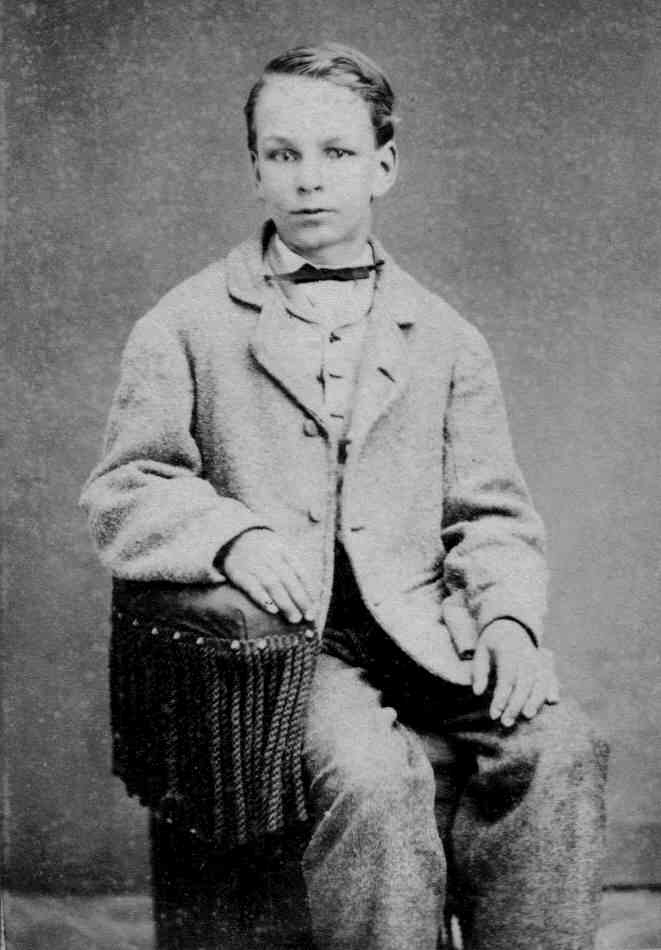
The primary components of dress suits are jackets (sometimes called coats) and pants (sometimes called trousers). The term suit is often used to indicate matching garments, such as a shorts set, but we use it to mean a dress outfit of matching jacket and pants. There have been several different styles of jackets over time. There have also been different types of pants. Some of the different types of jackets and pants involved stlistic changes others were associated with age conventions. While the primary suit components are the jacket and pants, there are other components. Some suits came with matching caps. This was normally a peaked cap, and this was popular during the mid-20th century. A more popular component was the vest. Many suits were three-piece suits meaning that a vest was included. This has become much less common since World War II.
A suit by definition are matched garments, generally done in the same material and color. And in the Unites States the term is commonly used to mean a formal outfit worn for a range of occassions here it is seen approppriate to dress up, which changed over time. The two primcipal components of thee duit or a coat also called a jacker and trousers commonly called pants in America. The jackets and pants come in a wide range of styles. There are alkso different colors, but a rlatively narrow range for boys. While these are the core component of suit, there are other garments, including headwearand vests (waistcoats). Matching headwear, almost always caps are the least common. Vests used to be very common, but declined in popularity after the 1930s as pat of the increasing popularity of casyal styles. Other items may be coordinated with the suit including headwear, vests, hosiery, and footwear bit are not actually part of the suit. Headwear and vests can be both part of the suit or a coordinated utem bought separatly. This mans that they may be different colors and are dome in different fabrics. ,
A range of clothing was worn with suits, but purchased separately and not an actual a component of the suit itself. Those items ranged from headwear to footwear, top to bottom. These item hve changed over time in line with varying fashion convenienve and style. There were not only changes in the various garmnts, but also the style, detaiing and color of the different garments. Headwear was almost requied with suits in the 19th and ven-early-20th century. Most headwear was purchased separately and usually did not match the suit, especially in the 19th century. By this mean the fabric and color. We see some matching headwear, usually caps, in the 19th century, but for the most part headwear was purchased separately. We note a wide range of blouses, shirt waist, and shirts as well as detchavke and pin-on collar. Of all the various associated items, neckear seems to have varied the most. We see items grom huge floppy bows to small ribbon or string ties as well as no neckwear at all. The neckwear usually did not match the suit, but instead was chosen to add a little color to the outfit. Vests or waistcoats were very common in the 19th century and still worn in the early-20th century to a declining degree. We note both contrasting vests, includung brightly patterened ones, as well as matching vests, the more common type by the 1860s. Vests were normally part of the suit. We are so sure about the contrasting vests, but the matching vests certainly were. The pants were of course normally part of the suit. This is somewhat complicated by the fact that before the 1860s, we normally see boys wearing outfits that did not hsve matching jackts and pants. We are not sure if the pants in such outfits should be considered part of a suit. Hosiery alo varied although here our information is limited o that worn with shortrened-length pants. Of course only with such pnts was the hosiery vissible and thus an important part of the outfit. Here mothers varied, some hosiery was chosen with the suit in mind and in other cases the boy just wore what was handy. Footwear also varied. Boys wore the standard footwear of the day in the 19th cntury, mostly high-top shoes in the seconf-half of the 19th century. Footwear was more varied in the 20h century. We see some boys barefoot in formal studio portrits with suits aftr the turn-of-the 20th century, something you did not see in the 20th century. Afnd then you begin to see casual foot wear for the first time, styles not generally worn with suits.

Navigate the Boys' Historical Clothing Web Site:
[Return to the Main U.S. suit page]
[Return to the Main U.S. country garment page]
[Introduction]
[Activities]
[Biographies]
[Chronology]
[Clothing styles]
[Countries]
[Bibliographies]
[Contributions]
[FAQs]
[Glossary]
[Images]
[Links]
[Registration]
[Tools]
[Boys' Clothing Home]