|
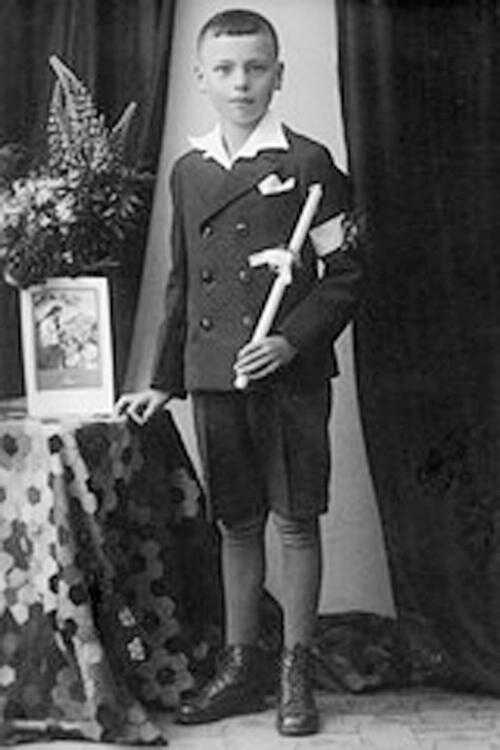
Czechoslovakia had a varied religious heritage. Several major creeds have played a role in the country's history: Roman Catholic, Uniate, the Evangelical Church of Czech Brethren, Lutheran, Calvinist, Orthodox, the Czech Reformed Church (the Hussites), the Old Catholic Church, and Judaism. Yragivcally, the historic Jeweish communty was destroyed by the NAZIs in the World War II Holocaust. Czechoslovakia was built around the Czech lands of Bohemia and Moravia, all partbof theAstrian Empire for centuries. The Czechs were an early convert to Lutheranism during the Protestant Reformation. It was also one of the successes of the Counter Reformation through which by force of Hapsburg arms, the Czechs were forced back into the Catholic Church. Even so, it left and indelible mark on both the Czech church and people. Roman Catholicism, especially the papacy, came to be seen as both pro-Hapsburg and pro-German by the Czechs and other ethnic groups. (Compare this to Poland and Ireland where the Catholic Church was a symbol of national identity to foreign control.) After the 16th century religious wars there were minorities of various Protestant sects among the various mostly Catholic ethnic groups: Bohemian Brethren in the Czech lands, Lutherans in Slovakia, and Calvinists among the Hungarians. At the time Czechoslovakia became independent after World war I, about two-thirds of the population was Catholic. While Czechoslovakia was overwhelmingly Catholic, the Protestant minority and history of religious descent helped to forge a more tolerant Catholicism. A spirit of resistance to Rome began even before the Reformation with the Hussite heresy. Another factor here was surely the fact that the Hapsburgs were strongly supporter by the papacy helped to create a resistance to papal control within the Czech church, especially in the Czech lands of Bohemia and Moravia. The Catholics split with Rome over the issue of papal infallibility even before Czechoslovakia was created (1870). The Czechoslovak National Church was Catholic but decidedly anti-papal, and very nationalistic with a range of influences, including Hussite and Unitarian . Relations between the Vatican and the new independent Czechoslovakia were uneasy. The papal nuncio twice left Prague in protest over perceived anti-Catholic government actions (1925 and 33).
Czechoslovakia had a varied religious heritage. Several major creeds have played a role in the country's history: Roman Catholic, Uniate, the Evangelical Church of Czech Brethren, Lutheran, Calvinist, Orthodox, the Czech Reformed Church (the Hussites), the Old Catholic Church, and Judaism. Yragivcally, the historic Jeweish communty was destroyed by the NAZIs in the World War II Holocaust. A spirit of resistance to Rome began even before the Reformation with the Hussite heresy. Another factor here was surely the fact that the Hapsburgs were strongly supporter by the papacy helped to create a resistance to papal control within the Czech church, especially in the Czech lands of Bohemia and Moravia.
Czechoslovakia was built around the Czech lands of Bohemia and Moravia. The chritinization of the Czech lands began (9th century). Moravia was the first among the three historical Czech lands adopted Christianity (830s and the 860s). The Bohemian chieftains/duces (845), nutthen recanted to paganism (846). The real beginning of Christianity in Bohemian territory began three decaded later (after 885). Moravia became the earliest center of the Old Church Slavonic liturgy after the arrival of Constantine (Cyril) and Methodius (863). Chriustianization had competition. German Ctholic priests suceeded in having the Slavonic priested banished (880s). Bohemia became the center of Christianization following the fall of Moravia (early 10th century). Changes in burial patterns and building churches signal the ascceptence of Christinity throughout the Czech lands (10th century). Austria acquired Bohemia and Moravia when the last Jagiellonian king died. This was the beginning of Habsburg rule over the region and insured thesupremrecy of the Vtholic Church (1526). Much of the Czech lands were prt of the Holy Roman Empire. he Czechs were an early convert to Lutheranism during the Protestant Reformation (6th century). It was also one of the successes of the Counter Reformation through which by force of Hapsburg arms, the Czechs were forced back into the Catholic Church. Even so, the Reformation left and indelible mark on both the Czech church and people. Roman Catholicism, especially the papacy, came to be seen as both pro-Hapsburg and pro-German by the Czechs and other ethnic groups. (Compare this to Poland and Ireland where the Catholic Church was a symbol of national identity to foreign control.) After the 16th century religious wars there were minorities of various Protestant sects among the various mostly Catholic ethnic groups: Bohemian Brethren in the Czech lands, Lutherans in Slovakia, and Calvinists among the Hungarians.
The Czech Lands were united to form Czecoslovaki at the end of World War I (1918). At the time about about two-thirds of the population was Catholic. While Czechoslovakia was overwhelmingly Catholic, the Protestant minority and history of religious descent helped to forge a more tolerant Catholicism. Ther was alsdo a vibrant Jewish community. The Catholics split with Rome over the issue of papal infallibility even before Czechoslovakia was created (1870). The Czechoslovak National Church was Catholic but decidedly anti-papal, and very nationalistic with a range of influences, including Hussite and Unitarian . Relations between the Vatican and the new independent Czechoslovakia were uneasy. The papal nuncio twice left Prague in protest over perceived anti-Catholic government actions (1925 and 33). Czechoslovalia was invaded abd seized by the Germans before World War II (1938-39). Czechislovakia was oartioned by the Germans, creating a rump Slovakia satate and the Protectorate of of Bohenia and Moravia--essentikally German occupied Czecheslovakia. Czech nationalism was brutally suppresed. There was less resistamnce to the Germans in occupied Czechoslovakia than in Poland. Slovakia was a German ally--a clerical Fascist state. The president was Monsignor Jozef Tiso. Thus Catholics were less targeted than in most other countries. The Jewish community was destroyed. After World War II and a brief period of moderation, the Commuists seized control and imposed a brutal Stlinist state, launching an atheism campaiign. Unlike Poland resiatance to Communism dod no coalese around the Church., in part beause the Catholic Church was not hidtotically a major spport for Czech nationalism. Many Czechs and Slovaks ecae agnostic aor atheist. We are not sure to waht extent the Communist atheist campaign was responsibility because this same trend was obsrveable in Western Europe as well. Czechoslovakia split into Slovakia andthe Czech Repunlic (1993). While religion is no longer widely celebrated in the Czech Republic, the values instilled in Europeans by the chuches are very much in plcce in the Czech Republic today.

Navigate the Boys' Historical Clothing Web Site:
[Return to the Main Czechoslovakian activities page]
[Return to the Main Czechoslovakian page]
[Introduction]
[Activities]
[Biographies]
[Chronology]
[Clothing styles]
[Countries]
[Topics]
[Bibliographies]
[Contributions]
[FAQs]
[Glossaries]
[Satellite sites]
[Tools]
[Boys' Clothing Home]
Navigate the Boys' Historical Clothing Web Site:
[Return to main country page]
[Australia]
[Canada]
[Czechoslovakia]
[England]
[France]
[Germany]
[Ireland]
[Italy]
[New Zealand]
[Scotland]
[United States]