|
Many American boys clothing styles originated in Europe. European fashion has always been important in America, especially among the well to do. Affluent American mothers always wanted to dress their boys like little English boys. French fashions were also important, espcially for younger boys. The Little Lord Fauntleroy suit was perhaps the first uniquely Ameican style, although it was heavily influenced by European sdtyles at the time. Only in the 20th century did American boys clothing styles begin to significantly vary from European styles. The major difference is that American boys do not seem to have liked the short pants that became so popular in Europe after theybwere adopted by Baden Powell' Scout movement. American boys for the most part objected. While shorts were worn by younger boys and boys from affluebt families most influenced by European fashions, most American boys weore knickers or long pants. Even Scouts and Cubs in America, for the most part, did not wear short pants, but mostly knickers. After World War II, the fashion flow reversed and it was American styles that began influencing European boys. By the 1940s, few American boys wanted anything to do with European fashions. Rather it appears to be that America has influence Europe. Long pants, jeans, "T"-shirts, sport shorts, sweat shirts, baseball caps, and baggy pants are all American styles. I can't think of an important American boys fashion since the 1940s that has been imported from Europe. Not that moms didn't like the European styles--American boys didn't like them.
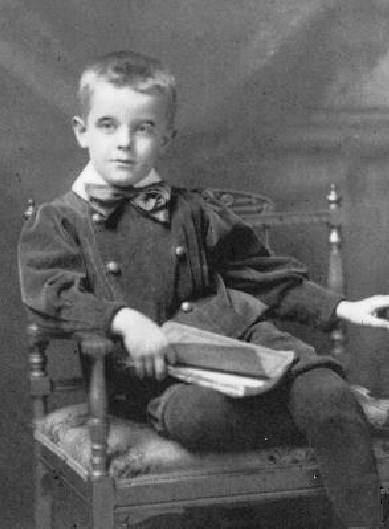
The suits and dress outfits worn by younger boys varied more chronologiclly than those worn by older boys. And there were many more varied styles than those worn by older boys. We know a great del bout these varied style as result of the invention of photography (1839). We know less about the early-19th century, but the styles of juvenile outfits were limited at the time. We mostly see boys wearing skeleton suits and tunic outfits, at least boys from fashionable families. Most boys once breeched just wore shirts and trousers rather than suits. Some boys may have worn small editons of their father's suits. Without photography our information is limited. We know much more about trends once photography appeared. At mid-century we see a lot of boys wearing collar buttoning military jackets (1840s-50s). Cut-way jackerts also become popular (1860s). And we see a variety of fancy styles like Zouve (1860s) and sailor suits (1870s). age conventions varied somewhat from family to family. Kilt suits appeared with various jacket styles. The Zouave style was French and the sailor suit British. Boys might wear blousesuits which had a blouse made in suiting material rther than a jacket. Latter the Fauntleroy style appeared (1880s). This was the first destincly American style. Buster Brown suits become popular after the turn of the Century (1900s). After World War I Oliver Twist suits become popular. And we begin to see juvenile Eton suits (1920s). These suits became the standard younger boy style. We see boys up to about 10-years of age wearing them, but this gradually fell to pre-school afes. They were done with jackets that did not have lapels. While called Eton suits they could be worn with blouses that had Peter Pan as well as Eton collars. This was a style while not unique to America, was mostly seen in America. Aftr the mid-20th century, suits began to go out of style for boys, especually younger boys.
We notice quite a range of outfits worn by younger boys. Actually the first dedicated chil's outfit was the skeleton suit. There were, however, many others including outfits for both pre-school boys and boys in the primary years, especially the early primary years. We see both suits with jackets and outfits without jackets. This was normlly blouses and pants that matched or would cooordinated. Two of the best know such outfits were the sailor suit and Fauntleroy suit, but there are many others such outfits. The styles and age conventions have varied widely over time an from country to country. The Fauntleroy suit was especially popular in America. Romper suits like the ones worn in France were not very popular in America. The sailor suit on the other hand seems to have eaily crossed national frontiers. They have included both pants outfits as well as skirted outfits like tunic suits amd kilt suits.

Navigate the Boys' Historical Clothing Web Site:
[Return to the Main U.S. garment page]
[Return to the Main U.S. country page]
[About Us]
[Introduction]
[Activities]
[Biographies]
[Chronology]
[Cloth and textiles]
[Clothing styles]
[Countries]
[Topics]
[Bibliographies]
[Contributions]
[FAQs]
[Glossaries]
[Images]
[Links]
[Registration]
[Tools]
[Boys' Clothing Home]