|
Romania built a system with high academic standards, but with limited acces for working-class children. After World War I, new organizational laws were introduced, further standardizing the system (1924-28). A modern generalized, secular and centralized primary education system, with a standardized school curriculum and professional teachers atte,ted to replace the rudimentary and incomplete efforts in the 19th cenuy. The goal was to transform peasants in the county side into 'good Romanians' and loyal citizens of the state. This project, which looked ambitious and well-designed on paper, was difficult to implement in practice. The state's enlightening ambitions were met with a series of underlying obstacles: a quasi-absent school infrastructure, a chronic shortage of professionally trained teachers, especially in rural areas, and a silent resistance to schooling coming from rural communities that had become the target of these large-scale educational projects.
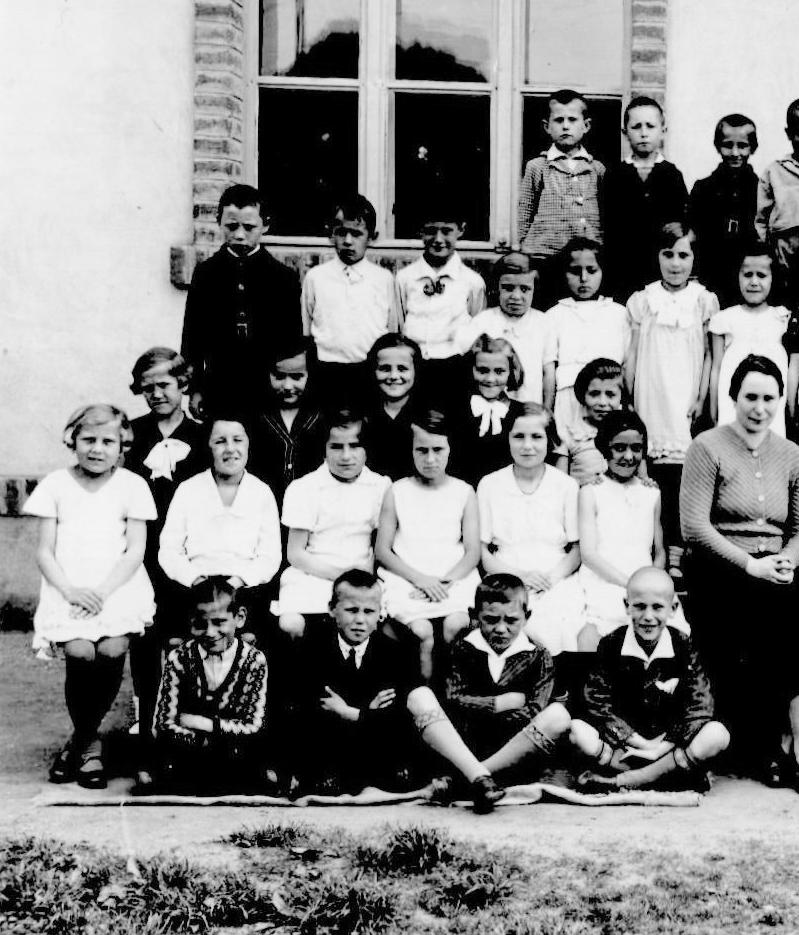
We note city schools that look much like th chools in oher vEuropeam ounies. Schools in thecountry de were adiffernt mtter.
The Communists who seized power after World War II (1945) attemoted to expand access to education asnd devoted real reserch to it. The Communist centralized education into a unitary, highly centralized system, emphasizing ideological conformity and mass enrollment (1948). The system expanded access but often at the cost of quality and diversity. The Communists used the schools for ideological political instruction. The Communists also intensified the Romanian nationalist emphasis. The concessions to minorities were significantly reduced. Rather than allowing minorities to preserv heir culture and language, the schools were used to Romanize minority children. The largest minority was Hungarians. The Hungarian-langusge schools were merged with Romanian schools (1960s). Practically this meant that almost all of the classes taught in Hungarian were now taught in Romanian. The goal of expanding access to education was seriously comprmised but the economic failure of the Communist regime. The country was unable to finance a quality education system. Along withb the rest of Eastern Europe, the Romanian Communist regime fell (1989).
Throughout Eastern Europe there proved to be no support for Communism. The Communist regimes had been kept in power by the Soviet Red Army or the thret of Red Army intervention. With the fall of Communism, (1989). Romanian authorities set about building a non-political education system. The huge damage to the Romanian economy done by the Communits meant that financing a quality education system would be difficult. Higher education institutions initiated reforms, leading to increased student enrollment and a push toward modernizations, especially through the Bologna Process, which harmonized higher education across Europe. Romania also began aligning in primary and secondary system with European standards The country has been slowly making progress with needed reforms.
Romania today operates a free, egalitarian system guaranteed by Article 32 of its Constitution Education is regulated by the Ministry of National Education. The system is compulsory from age 4 (second year of kindergarten) through the 12th grade, ending with the baccalaureate.

Navigate HBC Chronolgy Pages
[Late 19th century]
[The 1930s]
[The 1940s]
[The 1930s]
[The 1940s]
[The 1950s]
[The 1960s]
[The 1970s]
[The 1980s]
Related Style Pages in the Boys' Historical Web Site
[Long pants suits]
[Knicker suits]
[Short pants suits]
[Socks]
[Eton suits]
[Jacket and trousers]
[Blazer]
[School sandals]
Navigate the HBC School Section
[Return to the Main Romanian school chronology page]
[Return to the Main Romanian school page]
[Return to the Main European regional school page ]
[Return to the Main Romanian activities page]
[Activities]
[Chronology]
[Clothing styles]
[Countries]
[Debate]
[Economics]
[Garment]
[Gender]
[Hair]
[History]
[Home trends]
[Literary characters]
[School types]
[Significance]
[Transport and travel
[Uniform regulations]
[Year level]
[Other topics]
[Images]
[Links]
[Registration]
[Tools]
[Return to the Historic Boys' School Home]