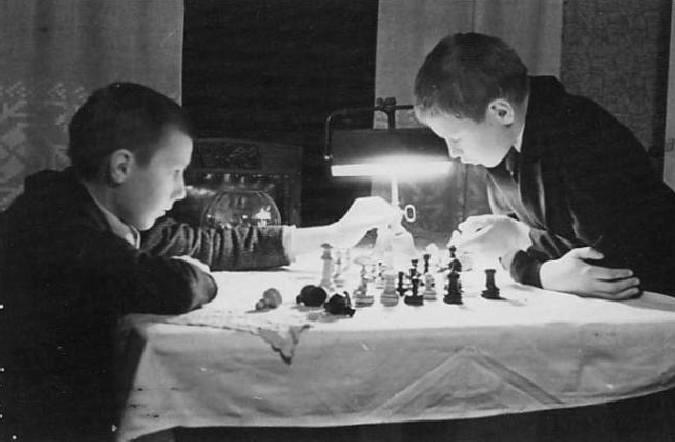
HBC has created several activity pages in the various country sections of our site. Thus readers can learn about the activities popular in differet countrie and the clothes worn for those activities. In some cases activity clothing is similar around the world. There are many regionl and even some world wide similarities. Boys of course will be boys regardless of the culture in which they grow up. Some countries have desinctive styles for various activities, although this is becoming less common. There are, however, still many activities destinctive to specific countries. Some of these country activity pages are fairly well developed, others we have just begun. Hopefully our HBC readers will provide information about boys' activities in their countries.
We note the clothing Mexican boys wore for a range of different activities. Many Mexican children worked from sn early age, especially in rural areas. Although not as extensive, there is also considerable child labor in urban areas. This is primarily in the "grey" unregulated sectors of the economy. This is still a problem. The major activity for children is now school. Until the Recolution, public schools were limited in Mexico. Today there is an extensive public school system, but there are questions about the quality iof those schools. Many Mexican children wear school uniforms. Mexico has some children's choirs. The country is a largely Catholic country, at least culturally. Many Mexicans do not practice their religion. Many children, however, do a First Communion. Sports are very popular in Mexico. The single most populasr sport is scoocer (football). Baseball is also very popular, especially in northern Mexico. The main youth group is the Scouts, but paricipation is limited. There are also important festivals and holidays in Mexico in which children participate.
There are costumes, uniforms, and other clothing associated with a
variety of activities. Here we have just begun to collect
information. We have some limited information on choirs, religious
observation, schools, youth groups and other activities.
Boys have been photographed both at work and at play showing varying fashions over time. Boys have traditionally learned various crafts. Poor boys have earned
money shining shoes. School and play became increasingly important in the 20th century. Images exists of boys playing games. American boys have been
photographed with bicycles, marbles, group games like hide and seek, mummeldipeg, and others. Important activities include art, choir, dance, music, pets, school,
Scouting, sports, and much more. Chemistry and erector sets used to be of great interest. Today of course it is the computer. Especially important activities for
American boys are hunting and fishing, although this has declined somewhat as America continues to urbanize.
Boys in China, as in all other countries, engage in a wide range of activitiies for which specialized clothing are costuming is worn. Here we are just beginning to collect some basic information. This clothing and costume has changed over time and along with changing political regimes in China. This includes choir, dance, music, school, sports, youth groups, and a range of other activities. There are several children's choirs in China,
normally mixed choirs with both boys and girls. There are also several dance groups. Many such groups specialize in ethnic or folk groups. We know less about music. Most Chinese schools require school uniforms. Sports are popular in China, but there does not appear to be any tradition of inter-scholastic athletics or broad-based programs, like children's soccer leagues, giving children of average ability the chance to enjoy competitive athlectics.
We do not have much information about boys' activities in India like art, dance, music, parties, relihio, school, and sports. We have just begun to address this topic. Here the British Raj and the growing middle class as a result of the economic reforms has played a major role in the activities pursued by children. There are activities based on both historic and Western traditions as well as many relihious fsiths. We do not know much about the arts in India, but there certainly is a rich tradition to draw from. A reader has sent us some information on outings to Indian parks. India is a very religious country and religion plays an importabt role in the lives of many children. We do have a school uniform section. Sports is a growing interest, especially among the Westernized middle class. Soccer is not as poular in Indias in most other countrues, but cricket is a major sport.
We have not yet developed much information on the clothes worn by Japanese boys involved in various activities. In most insrances Japanese boys wear the same garments and styles associated with these activities as are common in the West. There are some activities in which traditional dress is worn. Sports outfits are virtually identical, primarily because the sports themsekves have been imported from the West. . We note boys wearing Wesrern garments with a destinctive Jaoanese look for some fine arts avtivities, especially music. We do have pages on music in Japan, both information on choirs and bands. The music children seem involved in appears to be mostly Western music. We have noted a Japananese popular music group, but do not know much about them.. We also have some information on sports.
We do not yet have much information on boys' activities and associated clothing in Tajikistan. Many such activities are similar to common activities in Europe. Sone
of the traditional outfits associated with activities are quite destinctive. A HBC reader reports, "At the Opera House was a Traditional Music group dressed in their
Uniform and playting a variety of ancient type instruments."
We note a range of children's activities in Thailand. As in most countries, schools are the most important activity for children. Education has been significantly expanded in recent years. Thai children wear school uniforms. The country is a largely Buddhist country, but there is a restive Muslim minority in the south. The Muslims are largely ethnic Malays. Thailand has an important youth movemnent and participation is part of the school program. Religion is also important in Thailand. We do not yet have much information about holiday celebrations in Thailand. We know very little about the games children play in Thailand. Sports are played, but do not seem as popular as in many countries. We are not sure just why that is. We do not know much about the arts in Thailand. There is a interesting traditional dance.
HBC has collected information on a variety of activities in which German boys have
participated in over time. Many of these activiities involve specialized costumes. Other
images show trends in German boys' clothing over time. Some of the activities include choir,
choir, dance, games, religious observation, school, sport, and many other activities.
HBC has noted certain outfits worn for a variety of occassions or activities such as school or youth groups. We have also noted more specialized outfits worn for
choirs or First Communion. We are archiving information on these activity uniform or clothes in this section. There is also specialized clothing worn for dance or
dressing up for music recitals.
We do not have a lot of information about activies Bulgarian boys engaged in and the clothes associated with those activies. Bulgaria for several centuries was part of the Ottoman Empire. We are not sure if any popular sctivites resulted from this long era. We know very little about children's play in Bulgaria. Some activities seem fairly standard such as school and youth groups. As in much of Europe, music seems important. Some children learned musical instruments. We notice some boy choirs. Religion of course was important during the Ottoman era. Most Bulgarians remained faithful to Orthodox Christianity. The Communist Government imposed by the Soviets after World War II conducted an atheism campaign which affects modern attitudes toward religion. We do not notice any special interest in sports. As in most countries, football seems the primary sport. Wrestling seems popular.
HBC has collected information on a variety of activities in which English boys have participated in over time. Many of these activiities involve specialized costumes. Other images show trends in English boys' clothing over time. Some of the activities include choir, choir, dance, games, religious observation, school, sport, and many other activities.
Boys engage in a variety of activities from choral singing to athletics. Other major activities include dance, music, school, Scouting, summer camp, and much more.
Athletics seems to have been less important in France than in America and England, in part becaise of the higly academic orientation of the school system. Many of
these activities have destinctive clothing or even uniforms. HBC has begun to collect information on these activities and the clothing associated with them over time. A
French reader stressesm however, that boys' and other clothing styles were suprisingly similar throughout France. This is in part due to the centralized system that
French leadersm especially Louis XIV and Napoleon built.
HBC has collected information on a variety of activities in which German boys have
participated in over time. Many of these activiities involve specialized costumes. Other
images show trends in German boys' clothing over time. Some of the activities include
choir, choir, dance, games, religious observation, school, sport, and many other activities.
Boys have been photographed both at work and at play showing varying fashions over time. Boys have traditionally learned craft like shoe repair (tsagaris). Poor
boys have earned money shining shoes. Images exists of boys playing games. Greek boys have been photographed with bicycles, marbles, group games like hide
and seek, hopscotch, and other unique games like "kotsia". This is played with the knee bones of the sheep (after the sheep is eaten during Easter). At "kathara
Deftera" all children (mostly the boys) fly a kite. Many Greek boys until the economy became more prosperous in the 1960s couldn't afford football balls. Often they
would make do with sheep bladders. Other activities include music and dance.
HBC has collected information on a variety of activities in which Italian boys have participated in over time. Many of these activiities involve a wide range of specialized costumes. Other images show trends in German boys' clothing over time. Some of the activities include choir, choir, dance, games, religious observation, school, sport, and many other activities. Italy until after World War II, was the poorest of the majoe European countries. Given the poverty, especially in southern Italy, many Italian boys had to work often invoved in agricultural labor.
We see Latvian boys involved in a range of diffrent activities. There have been some Latvian boys' choirs. We see Latvian children with many of the toys popular in Germany. We also note a range of differentgames. Latvin national holidays include: January 1--New Year's Day; Good Friday; Easter Sunday; May 1--Labor Day; June 24--Midsummer; November 18--Independence Day; December 24-26 (Christmas). As in the rest of Europe, football (soccer) was the the preminent national sport. Scouting was the principal boys' youth groups. Latvia had until the Soviet invasion an active Scouting movement. The Soviets banned Scouting and Latvian boys hd to participate in the Young Pioneers movement. There are many areas such as music and dance that we still know nothing about. Hopefully our Latvian readers will tell us more about boys' activities in their country.
Boys engage in a variety of activities from choral singing to athletics. Other major activities include dance, music, school, Scouting, summer camp, and much more.
Athletics seems to have been less important in the Netherlands than in America and England, in part becaise of the more academic orientation of the school system.
Many of these activities have destinctive clothing or even uniforms. HBC has begun to collect information on these activities and the clothing associated with them
over time.
We have very limited information on Portuguese boys' activities at this time. Many activities were probably very similar to other European countries, especially neighboring Spain. One factor that made growing up in Portugal different than other countries was the endemic poverty in the country dating back to the time Portugl changed from being a European leader to its decline as the Inqyuisition and intolerance became firmly entrenched in national life. Portugal is a Catholic country and thus religious ceremonies like First Communion and serving as altar boys were of some importance. A factor in Portugal was the relstive poverty of the country. This impeded the ability of Portuguese children to participate in activities enjoyed by children in more affluent European countries. We do have some information on Poruguese schools. We know little about Portuguese choirs. Nor do we have much information on hiliday celebrations in Portugal. We have some information on Christmas. Portugal is one of the poorer countries in Europe, although conditions have improved since the country entered the European Union. The country was primarily agricultural and children traditionally worked on farms. Boys might also work as shepherds. Sport has become more popular as economic condir\tions improved. Soccer is by far the principal sport.
Here we will archive information on the activities persued by Polish boys and the destinctive costuming associated with those activities. This will include information
on Polish choirs, dancing, music, schools, sports, and other activities. We also have developed some information on Polish youth groups.
Russian boys like boys in other countries often wear destinctive clothing for a variety of activities. Soviet-era boys wore school uniforms, but this is
less common in Russia today. Young Pioneer uniforms were basically the same as the school uniform. The Pioneers are now gone, but Scouting has appeared in Russia on a small scale. After school boys took off their uniforms to put on their play clothes. There is destinctive sports wear and uniforms as well as choir and dance uniforms. Russia is particularly noted for ballet. Boys dress up for special occassions which now includes attending church or outings of various sorts.
Scottish boys participate in the same range of activities as do boys in other countries. Here there is a graet similarity with England. Scottish boys will dress simalrly with Englis boys for choir, church, dance, holiday celebrations, music, play, school, Scouts, sport, and a host of other activities. One difference would be the kilts that Scottish boys wear
for Highland dancing at either Highland gatherings or other events. Some cottish boys also used to wear kilts for church, but this is now less common except for boys at private schools. Scottish Cubs tend to dress like English Cubs, but some Scottish Scouts wear kilts when dressing up for special occassions.
HBC has collected information on a variety of activities in which Australian boys have participated in over time. Many of these activiities involve specialized
costumes. Other images show trends in Austrralian boys' clothing over time. Some of the activities include choir, choir, dance, games, religious observation, school,
sport, and many other activities.

Navigate the Boys' Historical Clothing Web Site:
[Return to the Main activities page]
[Introduction]
[Biographies]
[Chronology]
[Clothing styles]
[Countries]
[Photography]
[Bibliographies]
[Contributions]
[FAQs]
[Glossaries]
[Images]
[Links]
[Registration]
[Search]
[Tools]
[Boys' Clothing Home]