|
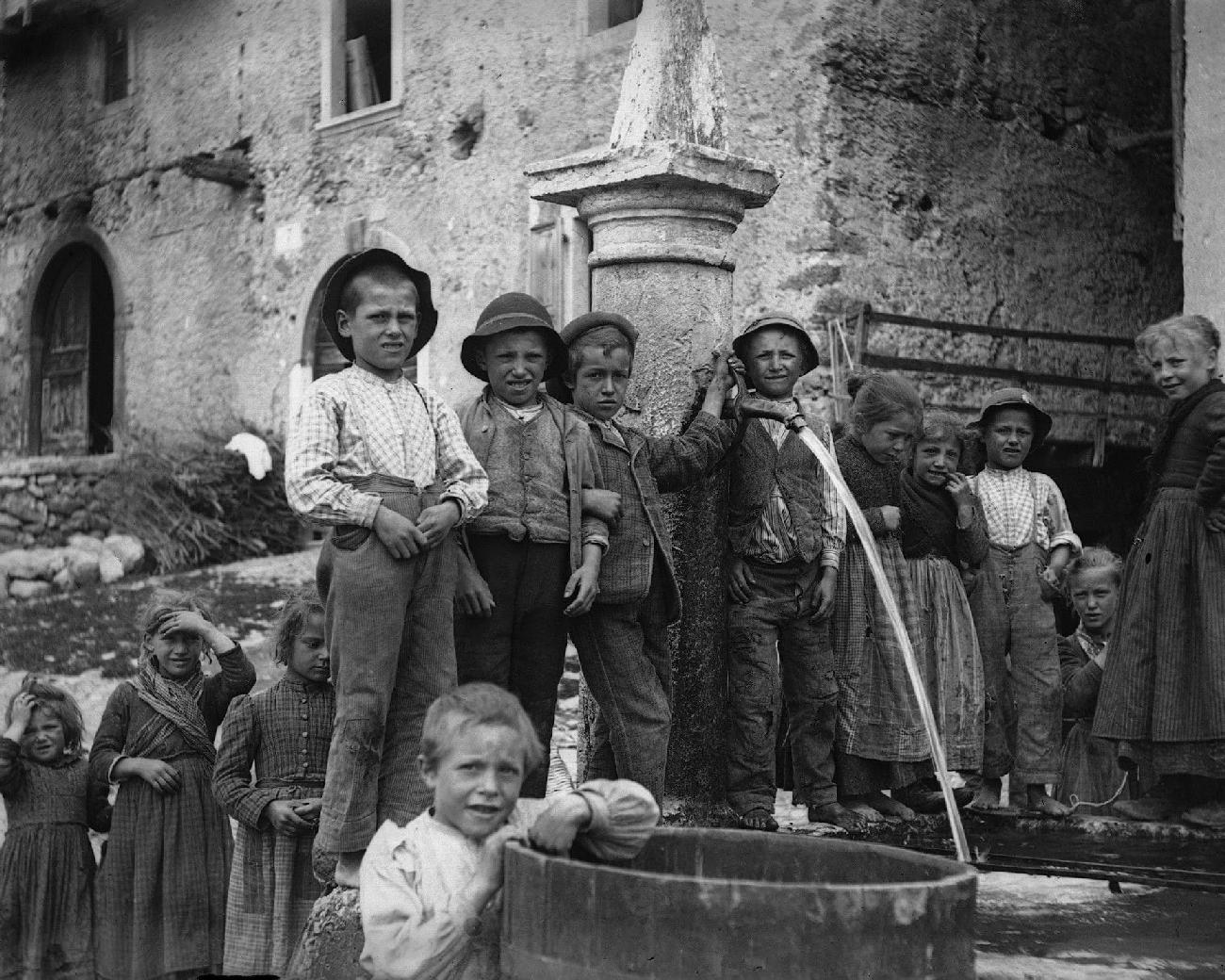
Trentino-Alto Adige/Südtirol includes the northernmost region of Italy. It is an autonomous region of Italy composed of South Tyrol (northern area) and Trentino (southern area). The province of Trento is commonly known as Trentino. The province of Bolzano is commonly known as South Tyrol (Alto Adige/Südtirol). The region has a population of over 1 million. The language situation is complex. Today over 60 percent of the population speak Italian as their mother tongue meaning transition dialects between Eastern Lombard and Venetian. About 30 percent speak German, There are small numbers who speak, the local South Tyrolean dialect of Bavarian), and the remaining are minority speakers of Ladin, Mòcheno or Cimbrian as well as recent immigrants. This is for the region as a whole. In South Tyrol German remains the substantial majority language. In Trentino to the south , Italian dominates. As a result of its autonomous , most legislative and administrative powers now are in the hands of the two self governing provinces. The region is predominantly mountainous, dominated by the Dolomites with pristine lakes, and magnificent alpine scenery. The region is a unique blend of Italian and German cultures once separated by the Alps. Besides the mountains, there are numerous medial castles and a distinctive local wine industry. The extreme north of Italy into the Alps is South Tyrol. It might be considered part of the Piedmont, but as it it was acquired from Austria after World War I so recently and had a largely Austrian, German speaking population. South Tirol is a beautiful area, combining Mediterranean landscape and Alpine peaks. Unlike most of Italy, the province is covered by snow during the winter. South Tirol was once part of Austria. It was historically an Alpine area connecting Italy to the south and Germany to the north. This is why the stone-age iceman, Ötzi, was discovered in the mountains nearby. He was apparently attempting to cross Alpine passes. It had been for years part of Austria. After World War I as past of the peace settlement, South Tirol was annexed by Italy and became the country's most northerly province. At the time very few Italians lived there. Italy's Austrian minority is mostly located in South Tirol. In the inter-War era Austrian German-speaking community resisted Mussolini's attempts at Italicization. The people not only spoke German, but actually looked down on Italians. Other territories Italy won as a result of the War were heavily populated with ethnic Italians. They were a stubborn people, staunchly Catholic and proud of their own ways. They would have welcomed Hitler;s attempts to reunite them with Austria/Germany. The largest city and capital is Bolzano /Bozen. It is today best know for its archaeology museum where Ötzi is housed. Tretino would probably be considered part of the Piedmont, but combined with South Tyrol it has become part of the mountainous northern region. The Adige River flows through the central Trentino in a valley named after the river. The principal towns of Trentino are located in the Adige Valley, which is a historical passage connecting Italy with Germany and the rest of Central Europe.
The extreme north of Italy into the Alps is South Tyrol. It might be considered part of the Piedmont, but as it it was acquired from Austria after World War I so recently and had a largely Austrian, German speaking population. South Tirol is a beautiful area, combining Mediterranean landscape and Alpine peaks. Unlike most of Italy, the province is covered by snow during the winter. South Tirol was once part of Austria. It was historically an Alpine area connecting Italy to the south and Germany to the north. This is why the stone-age iceman, Ötzi, was discovered in the mountains nearby. He was apparently attempting to cross Alpine passes. It had been for years part of Austria. After World War I as past of the peace settlement, South Tirol was annexed by Italy and became the country's most northerly province. At the time very few Italians lived there. Italy's Austrian minority is mostly located in South Tirol. In the inter-War era Austrian German-speaking community resisted Mussolini's attempts at Italicization. The people not only spoke German, but actually looked down on Italians. Other territories Italy won as a result of the War were heavily populated with ethnic Italians. They were a stubborn people, staunchly Catholic and proud of their own ways. They would have welcomed Hitler's attempts to reunite them with Austria/Germany. The largest city and capital is Bolzano /Bozen. It is today best know for its archaeology museum where Ötzi is housed.
Trentino would probably be considered a part of the Italian provinces to the south, but combined with South Tyrol it has become part of the mountainous northern region. The mountains offer a wide range of winter sport, including skiing and skating. The Adige River flows through the central Trentino in a valley named after the river. The principal towns of Trentino are located in the Adige Valley, which is a historical passage connecting Italy with Germany and the rest of Central Europe and thus a major part of important trade routes. Trentino and South Tyrol constitute the region of Trentino-Alto Adige/Südtirol, an autonomous region of Italy. The capital is Trento/Trent. Trentino as is the case of many even small provinces has a complex history and in this case shaped by being a critical trade route linking Mediterranean Italy with Central European markets. The Raetian people dominated the area before being seized by the Roman Republic, becoming the province of Raetia. After the fall of Rome, Trentino became part of the Prince-Bishopric of Trent The southern borders of the Holy Roman Empire varied, but for a time included areas of Italy north of Rome. Nsapolon achieved his first victories in Italy, hovking he Austrians. Until Napoleon conquered the territory of the Italian states, Trentino was an ecclesiastical state: the bishop of Trento was also a seculasr prince. South Tyrol, on the other hand, was part of the Austrian Empire. After the defeat of Napoleon, the Congress of Vienna reorganized Europe (1815). The conservtiv victors decided that the previous rulers would be teturnd to power. The major excetion was Ltin America, primrly bcause the British Royal Navy prevented European interference. Two Italian states were also exceptions: Trentino and the Republic of Venice were annexed to the Austrian Empire. Piedmont is to the west and returned to the House of Savoy. Between them lies Lombardy, which had already been annexed to the Empire in the 18th century. Trentino was transferred to Kingdom of Italy as part of the World War I settlement -- the Treaty of Saint-Germain-en-Laye (1919). South Tyrol was also annexed to Italy. Italy combined the two Austrian acquisitions into two provinces renamed Trentino and Alto Adige (South Tyrol) (1923). The new Trentino-Alto Adige/Südtirol region achieved autonomy within the Italian Kingdom (soon to become a republc) after World War II under Austrian protection. Trentino like South Tyrol is noted for its mounyneou tereaine -- the Dolomites an extension of the Alps. There is substantial linguistic diversity. The majority in Trentino speak Italian, but there is a substantial Italian minority, both of which have distinctive dialects.

Navigate the Boys' Historical Clothing Italian pages:
[Return to the Main northern Italy page]
[Return to the Main Italian regional page]
[Return to the Main Itlalian page]
[Italian school uniforms]
[Italian youth groups]
[Italian choirs]
[Italian movies]
[Italian royalty]
Navigate the Boys' Historical Clothing Web Site:
[Introduction]
[Activities]
[Biographies]
[Chronology]
[Clothing styles]
[Countries]
[Bibliographies]
[Contributions]
[FAQs]
[Glossaries]
[Images]
[Links]
[Registration]
[Tools]
[Boys' Clothing Home]