|
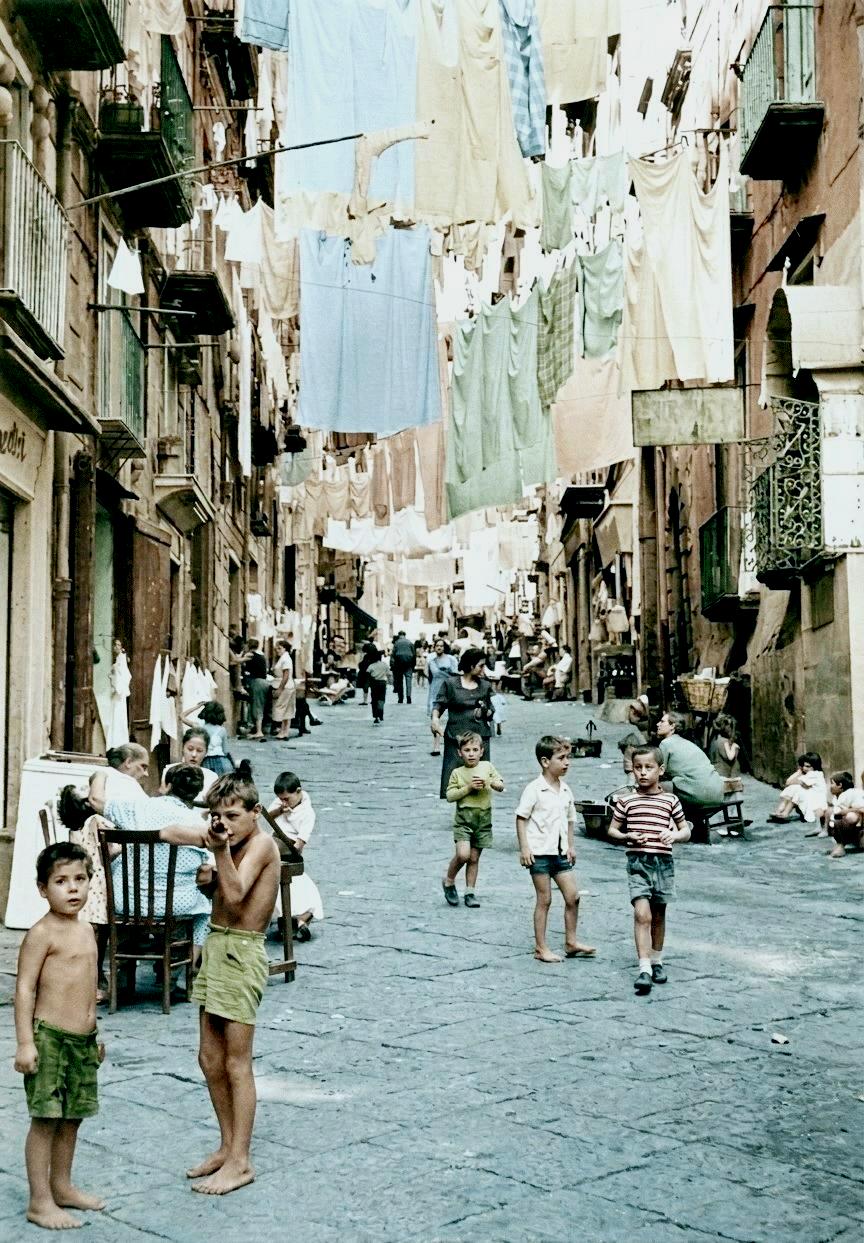
One ward is Pallonetto di Santa Lucia. We are not sure which nigborhood it is in. It faces the coast of the Bay of Naples,. The area rises around the street of the same name, in turn named after the basilica of Santa Lucia a Mare, the presence of which is attested since the 9th century. A legend claims it was foubed by a granddaughter of Constantine the Great.
The Roman general Lucio Licinio Lucullo commissioned the construction of his palatial villa right here in this picturesque seaside neighbourhood.
The Castrum Lucullanum in the Borgo Santa Lucia district of Naples, stretched from Pizzofalcone as far as the sea, also embracing Mount Echia. A man of action, and of great military success, the Roman general went down in history for his sumptuous residences which are escribed as “Lucullan” even today.
It’s also believed that the last Roman Emperor, Romulus Augustulus, spent his final days at the ruins of the villa. Pallonetto di Santa Lucia today is a a historic seaside neighborhood along the Bay of Naples, famous for its Grand Hotel Santa Lucia and scenic harbor facing the Castel dell'Ovo. It is famous for its chaotic, vertical architecture where small houses ("bassi") sit right alongside four-to-five-story buildings. Narrow, steep staircases, arches, and hanging laundry give it a highly authentic and picturesque character.The Name: The term 'pallonetto' comes from the historical Renaissance-era street game played in the area, which involved hitting a ball ('pallone'") with a wooden bracer. Historically a modest sailors' and working-class village, it offers a fascinating contrast to the wealthier, more upscale areas of central Naples. While it is a beautiful, highly evocative window into traditional Neapolitan daily life, the neighborhood is a maze of steep stairs and narrow alleys. Visitors should be mindful of their surroundings and belongings as it retains the raw, energetic, and crowded vibe of old Naples.

Navigate the Boys' Historical Clothing Italian pages:
[Return to the Main Naples page]
[Return to the Main Itlalian southern region page]
[Return to the Main Itlalian region page]
[Return to the Main Itlalian page]
[Return to the Main ethnic page]
[Return to the Main Italian state page]
[Italian school uniforms]
[Italian youth groups]
[Italian choirs]
[Italian movies]
[Italian royalty]
Navigate the Boys' Historical Clothing Web Site:
[Introduction]
[Activities]
[Biographies]
[Chronology]
[Clothing styles]
[Countries]
[Bibliographies]
[Contributions]
[FAQs]
[Glossaries]
[Images]
[Links]
[Registration]
[Tools]
[Boys' Clothing Home]