|
At the turn-of-the 20th century, straignt-leg knee pants were the standard pants types for boys. This continued to be the case during the 1900s. We also see knickers, but they were not as popular. We Knickers gradually became more important in the 1900s and by the end of the decade, many boys were wearing them. By the 1910s, most boys were primarily wearing knickers. Younger boys might still wear knee pants. Short pants appeared after World War I, but knickers were more popular and the standard boys' pants type. Short pants appeared after World War I. Shorts were never as popular in America as they were in Europe, but they were worn by younger boys. They were not at first entirely seaonal. Boys might wear shorts with long stockings during the inter-War era. Knee socks were also worn. We are not sure why this dichotomy between America and Europe developed, but it was very pronounced. Climate may have been a factor, but was clearly not the only reason. We do see younger boys wearing Eton and other short pants suits. Here there was a social class factor at play. Knickers were still the primary pants tyype worn by boys in the early-30s. We see fewer older boys wearing knickers and long pants increased in popularity during the decade. Knickers were rapidly replaced knickers in the late-30s and early-40s. We rarely see them by the late-40s. Younger boys might wear short psnts suits in the 1940s, but gradualy declined in popularity, especialy by the 1970s. Boys even younger boys almost always wore long pants suits by the 1980s, except perhaps for formal events like weddings. Younger boys might wear short pants Eton suits. Even these became less common in the 1990s. At the same time suits in general declined in popularity for boys, especially by the 1970s.
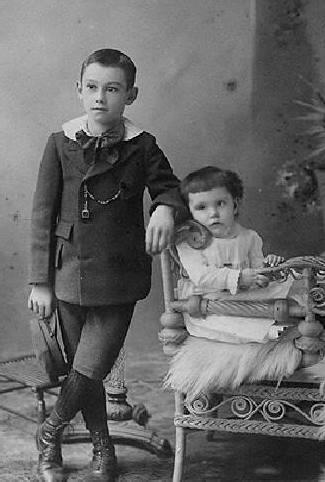
Straight leg knee pants were commonly worn by American boys, especially in the late-1890s. At the turn-of-the 20th century, straight leg knee pants continued to be the standard pants types for boys and we even see teenagers wearing them which was not the case before the 1890s. Terminology varied somewhat, but we mostly notice knee pants during the 1900s. They even became common in rural areas. We see boys of all ages wearing them, including teenagers and some older teens. The knee pants commonly had buttons for attaching suspenders. Belt loops were not very common. The cut was fairly standard at knee length which became common in the 1890s. There were various styles of jackets, but the knee pants were fairly standard with little stylistic variation. We do not yet have much information on pockets because the hip area is commonly covered up by the jacket in the photographic record. Buttons were used at the fly. Most knee pants had the three button ornamental trim at the leg hem. The photographic record is somewhat varied because boys tended to grow, especially teenagers. The age boys switched to long pants varied from family to family. Most older teens wore long pants suits, but we do see some older teens wearing knee pants even in high school. Virtually all pre-teens and younger teens wore knee pants suits. This continued to be the case throughout most of the decade. We also see knickers, but they were not as popular, especially at the beginning and mid-decade. This began to change by the end of the decade. Knickers suddenly became more important about 1908 and by the end of the decade, most school age boys were wearing knickers rather than knee pants. We are not sure why this change occurred, especially why it took place so suddenly. Curiously, this was a fashion shift that only took place in America and Canada, and not in Europe. This was the beginning of the knickers era that would last into the early-40s. Knee pants persisted for some younger boys a little longer, but by the 1920s transitioned to short pants. Boys almost always wore both knee pants and knickers with long stockings, usually dark long stockings. Both boys and girls wore long stockings. Most boys wore black long stockings, regardless of suit color, but there was some variation. Some boys during the summer went barefoot even when wearing suits. And we see this when having studio portraits taken, albeit mostly lower-end studios. . Something we do not see to any extent in the 19th century. This was most common in the South.
|
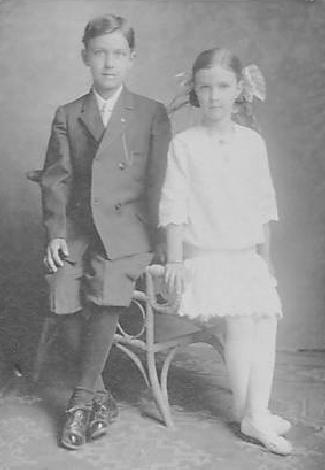
American boys by the 1910s were primarily wearing knickers. The 1910s and 20s were the two decades in which knickers were most common. This was a major shift from the 1900s when knee pants still dominated, We see this shift developing very suddenly in the late-1900s decade. The shift from knee pants to knickers was very marked as shows up very definitely in the photographic record. We are not sure why this change took place, but it was virtually universal for school age boys. We see some boys wearing straight-leg knee pants in the 1910s, but this was mostly younger boys. We note juvenile outfits like Oliver Twist suits done with knee pants. Almost all school age boys wore knickers. This was nearly universal in primary schools. We see this very clearly in the phonographic record. The exception was the rural boys wearing overalls--which appeared for some reason about the same time as knickers. We see younger rural boys wearing knee pants in the 1900s decade, but then by the 1910s overalls became virtually universal in rural schools. For some reason, rural boys rarely wore knickers, although some better off may have had knickers suits when dressing up. They definitely did not wear them to school. We also see knickers in secondary schools especially with the younger teens. This was very common in the 1910s, but began to decline in the 1920s. They were commonly referred to as 'knickerbockers' at first, but during the decade, 'knickers' became common parlance. We are not sure just what brought about such a rapid change. Mothers and boys began to see straight-leg knee pants as old fashioned. Most wanted the new knicker style as soon as they appeared. Knickers suits existed before the 1910s, but were a relatively small part of the boys' suits worn in America. In the 1910s, most boys wore knickers suits. Older teenagers were increasingly likely to wear long pants suits, but younger teenagers commonly wore knickers suits. This all varied from family to family, especially by the 1930s, We notice boys with smart looking creases in their knickers. Suits were still a very important part of a boy's wardrobe. They were worn for occasions that are now seen as more appropriate for casual attire. Boys commonly wore knickers suits to school. Flat caps became strongly associated with knicker suits and became if not universal very common. Younger boys might still wear knee pants. Short pants appeared after World War I, but knickers were more popular and the standard boys' pants type. As with knee pants, American boys mostly wore knickers suits with long stockings. Boys did not wear knickers without long stockings unless going barefoot during the 1910s. We see some boys having studio portrait taken barefoot, but it was much less common than with knee pants in the 1900s and largely disappeared during the 1920s. We see a few boys wearing knee socks by the end of the decade, but dark long stockings were much more common.
|
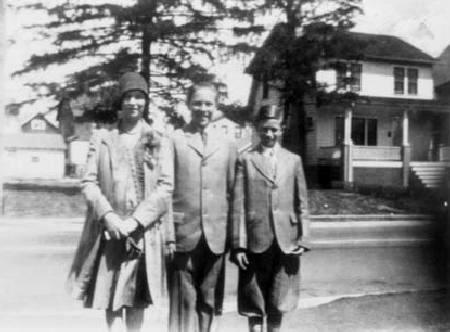
We see American boys wearing knicker, short pants, and long psnts suits during the 1920s, butb knicker suits dominated. We see a few knee pants suits during the early-20s, but they quuickly disappeared during the decade. Short pants appeared after World War I, following trends in Europe. Shorts were never as popular with American boys as they were in Europe, but they were worn by younger boys and pre-teens during the summer as casual wear. They wertre worn at summer camp, but most Boys Scouts wire a kind of breeches knicker uniform. Short pants suits were more for younger boys. We do see younger boys wearing Eton and other short pants suits. Here there was a social class factor at play. Short pants were not at first entirely seaonal. Boys might wear shorts with long stockings during the inter-War era, but this was less common with suits. Knee socks were also worn. We are not sure why this dichotomy between America and Europe developed, but it was very pronounced. Climate may have been a factor, but was clearly not the only reason. The primarty type of suit pants were knickers. Knicker suits were standard for American boys during the 20s. They were primarily worn with long stockings, but we begin to see knee socks by the end of the decade. We see fewer older boys wearing knicker suits in the 1920s, but many boys wore them to their early teens. We see more boys wearin long pants suits. Almost all older teens wore long pants suits, but we see somne younger boys wearing them as well. We see the mail order companies over suits with two pairs of pants, often a pair of knickers and a pair of longies. We see low-cut oxfords in the 1910s, but high-top shoes were much more common. It is in the 1920s that we see most boys switching to low-cut shoes.
Knickers were still the primary pants type worn by boys in the early-30s. We see fewer older boys wearing knickers and long pants increased in popularity during the decade. We mostly see knickers in primary schools and even in primary schools many boys wore long pants, especially by the end of the decade. Knickers wete commonly wore with bodly patterenrd knee socks. But a factgor here is that boys were much less likely tob wear suits to school in the 1930s. Most Knickers were rapidly replaced by long pants during in the late-30s and early-40s.
We rarely see them by the late-40s. Younger boys might wear short psnts suits in the 1940s, but gradualy declined in popularity.
We rarely see boys wearing anything but long pants suits by the 1970s. At the same time suits in general declined in popularity for boys, especially by the 1970s. Boys idea of dressing up became wearing a collared shirt.
Boys even younger boys almost always wore long pants suits by the 1980s, except perhaps for formal events like weddings. Younger boys might wear short pants Eton suits.
Even short pants Eton suits became less common in the 1990s.

Navigate the Boys' Historical Clothing Web Site:
[Return to the Main U.S. suit pants chronology]
[Return to the Main U.S. suit pants page]
[Return to the Main U.S. suits page]
[Introduction]
[Activities]
[Biographies]
[Chronology]
[Clothing styles]
[Countries]
[Bibliographies]
[Contributions]
[FAQs]
[Glossary]
[Images]
[Links]
[Registration]
[Tools]
[Boys' Clothing Home]