|
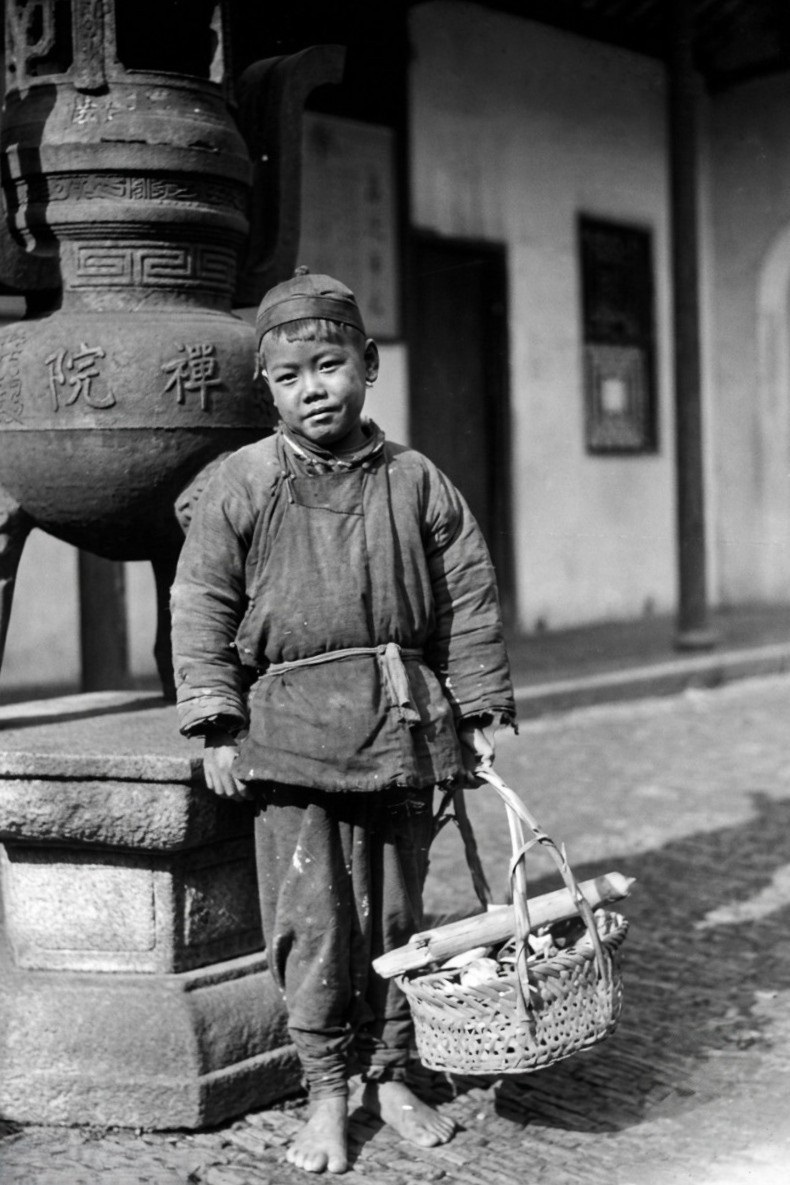
Northwest China today includes Heilongjiang, Jilin, and Liaoning. This is roghly what used to be called Manchuria. That term is no longer used in China. The nothern part of present vday Inner-Mongolia also used to be part of Manchuria. The area is considered by geographers to be the easternmost part of the vast Eurasian Steppe, specifically as part of the Mongolian-Manchurian grassland (or Eastern Steppe). Manchuria is a historical region in Northeast Asia that primarily corresponds to modern-day Northeast China (comprising the provinces of Liaoning, Jilin, and Heilongjiang) and stretches into portions of the Russian Far East, most of which China claims. Tsarist Russia only achiebed control of as a result of what the Chinese claim were unequal treaties. Manchuria is historically the ancestral homeland of the Manchu people--historic enenies of the Han Chinese. Manchuria is referred to by the Dōngběi (The Northeast) Manchuria features the vast, fertile Northeast Plain enclosed by the Greater Khingan and Lesser Khingan mountains, and experiences a humid continental climate with extreme winters and short, hot summers. The vast Steppe grasslands gave rise to barbarian tribes who mastered herds of horses. Over time they raided into China which led to the construction of the Great Wall. The latest of those tribes were the Manchu. The Manchu was the origin of the Qing Dynasty which replaced the Ming (17th century). The Manchu imperial regime were a dominate power until Europan industrializatiob changed the world power dynamics. China's decline created a major geopolitical flashpoint and a battleground of imperial expansion. In the north, both Russia and Japan sought to control Manchuria, a rich and strategically vital region. Tsarist Russia seized large areas of Manchuria. Imperial Japan fought Russia (1904-05) and then invaded and seized most of Manchuria (1931). While the majority of the region is today part of China. China had to cede Outer Manchuria (the Russian Far East) to the Tsarist Empire in (mid-19th century) through unequal treaties and includes today includes cities like Vladivostok and Khabarovsk. The border makes a huge difference Chinese Manchuria is densly populated. The Russia Far East is thinly populated. Today Manchuria includes a fertile agricultural basin producing massive yields of soybeans and corn-both foreign import crops. It is also a highly industrialized region rich in coal, iron, oil, and timber. The industrialization of the region was largely begun by the Japanese who invaded and nd established the puppet state of Manchukuo (1931-45). Manchuria like much of the rest of China faces a severe water problem. The age old severe seasonal water scarcity and intense monsoonal flooding dynamic is being strained by climate change, agriculture, and industrial use. As in the rest of China. Manchuria's vital rivers and groundwater aquifers face profound management challenges. And unlike central China brining water from the south is not feasible.

Related Chronolgy Pages in the Boys' Historical Web Site
[The 1880s]
[The 1890s]
[The 1900s]
[The 1910s]
[The 1920s]
[The 1930s]
[The 1940s]
[The 1930s]
[The 1940s]
[The 1950s]
[The 1960s]
[The 1970s]
[The 1980s]
Related Style Pages in the Boys' Historical Web Site
[Long pants suits]
[Knicker suits]
[Short pants suits]
[Socks]
[Eton suits]
[Jacket and trousers]
[Blazer]
[School sandals]
[School smocks]
[Sailor suits]
[Pinafores]
[Long stockings]
Navigate the Boys' Historical Clothing Web Page
[Return to the Main Chinese Mainland regions page]
[Return to the Main Chinese regional page]
">
[Return to the Main Chinese country page]
[Return to the Main ethnic page]
[Introduction]
[Activities]
[Biographies]
[Chronology]
[Clothing styles]
[Countries]
[Bibliographies]
[Contributions]
[FAQs]
[Glossaries]
[Images]
[Links]
[Registration]
[Tools]
[Boys' Clothing Home]