|
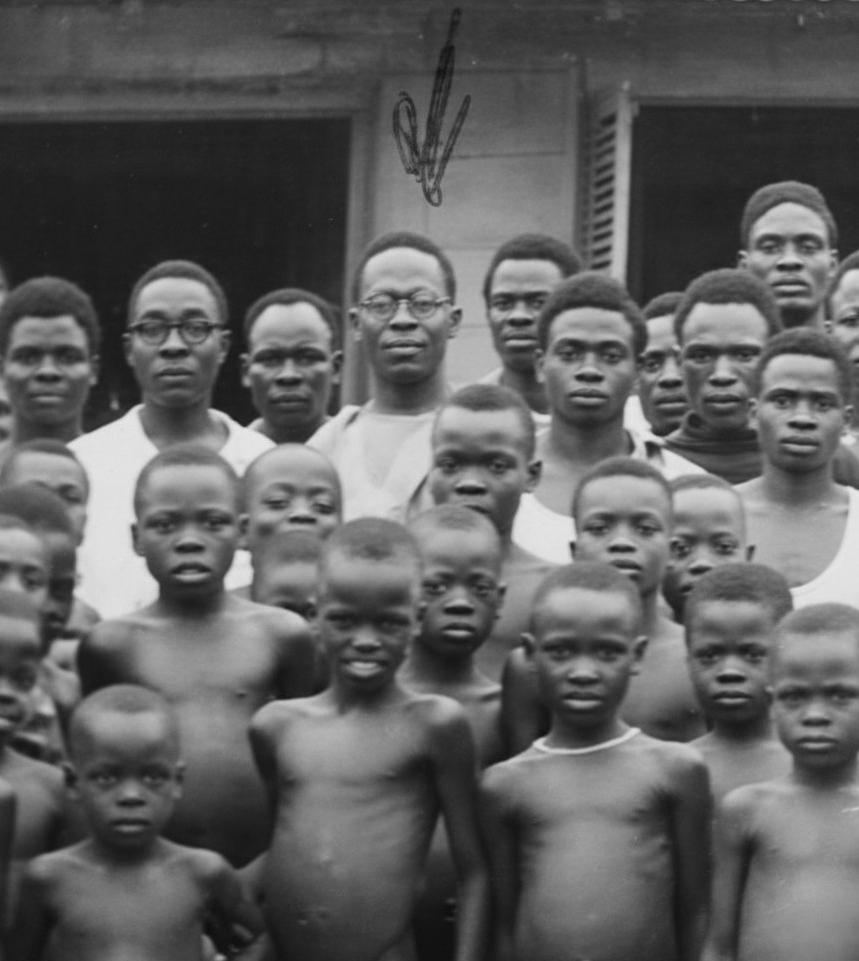
The Nigerian independence movement gradually emerged in response to British colonial rule which began as part of the Scramble for Africa which began in the late-19th century. Nigeria at the time was still a patch work quill of competing tribal groups. There was no sense of national identity. Nigeria as a political unit did not exist. This was created when the Northern and Southern Protectorates were combined (1914). As was the case throughout European controlled Africa, colonial units were created without considering the diverse ethnic, religious, and cultural context of colonial peoples. Nationalist sentiment was first created largely by opposition to British colonial control. This was still limited in the inter-war era. But began to coalesce after World War II when political parties began to organize. Educated Nigerians began to advocate for self-governance and political rights. This was largely done through existing tribal groupings. The British colonial government introduced constitutional reforms that gradually introduced Nigerian representation in governance, culminating in the 1954 Lyttleton Constitution, which allowed for a degree of self-governance.
Several prominent leaders and organizations played especially important roles.
Nnamdi Azikiwe(1904-96) is commonly seen as the 'father of Nigerian nationalism. He was a critical figure in advocating for independence. He founded the National Council of Nigeria and the Cameroons (NCNC).
Obafemi Jeremiah Oyeniyi Awolowo (1909-1987), also known as Chief Obafemi Awolowo, was a Nigerian lawyer and politician (figure 1). He was leader of the Action Group (AG) and represented the interests of the Yoruba people -- Nigeria's largest tribe.
Herbert Macaulay (1864-1946) was a pioneer of Nigerian nationalism seeing the importance of reaching across tribal groups. He founded the Nigerian National Democratic Party (NNDP) and pushed for political reforms.
Nigeria was one of the African colonies that played an especially important role in the Decolonization process that began with Ghana (1956). Nigeria as Africa's most populace country was especially important major step in the Decolonization process. The first step was to set up an African political structure (beginning late-1940s). At the sam time British officials in Nigeria began creatin aublic school system. A Federal prime minister was elected (1957). The Western and Eastern regions were granted internal self-government (1957).
This was granted to the Northern region (1959). The Nigerian independence movement not only marked the end of colonial rule but also set a precedent for other African nations seeking self-determination and sovereignty. The emphasis of the movement was on independence and not the form and structure of the independent state. The idea of democratic rule and the value of capitlaist economic structure was not. The importance of Europe's success was largely lost on Nigeria's still limited educated elite and completely absent among he public at large. As a result, Nigeria would lapse into military dictatorship within in 6 years of independence.

Navigate Children in History Website:
[Return to the Main Nigerian independent history page]
[Return to the Main Nigerian history page]
[Return to the Main African country history page]
[About Us]
[Introduction]
[Biographies]
[Chronology]
[Climatology]
[Clothing]
[Disease and Health]
[Economics]
[Freedom]
[Geography]
[History]
[Human Nature]
[Law]
[Nationalism]
[Presidents]
[Religion]
[Royalty]
[Science]
[Social Class]
[Bibliographies]
[Contributions]
[FAQs]
[Glossaries]
[Images]
[Links]
[Registration]
[Tools]
[Children in History Home]
Navigate the Boys' Historical Clothing national pages:
[Return to the Main Nigerian page]
[Return to the Main African page]
[Angola]
[Benin]
[Cape Verde Islands]
[Cameroon]
[Chad]
[Democratic Republic of the Congo]
[Ethiopia]
[Gabon]
[Ghana]
[Lessotho]
[Madagascar]
[Mali]
[Niger
[Nigeria]
[Somalia]
[South Africa]
[Togo
[Uganda]