|
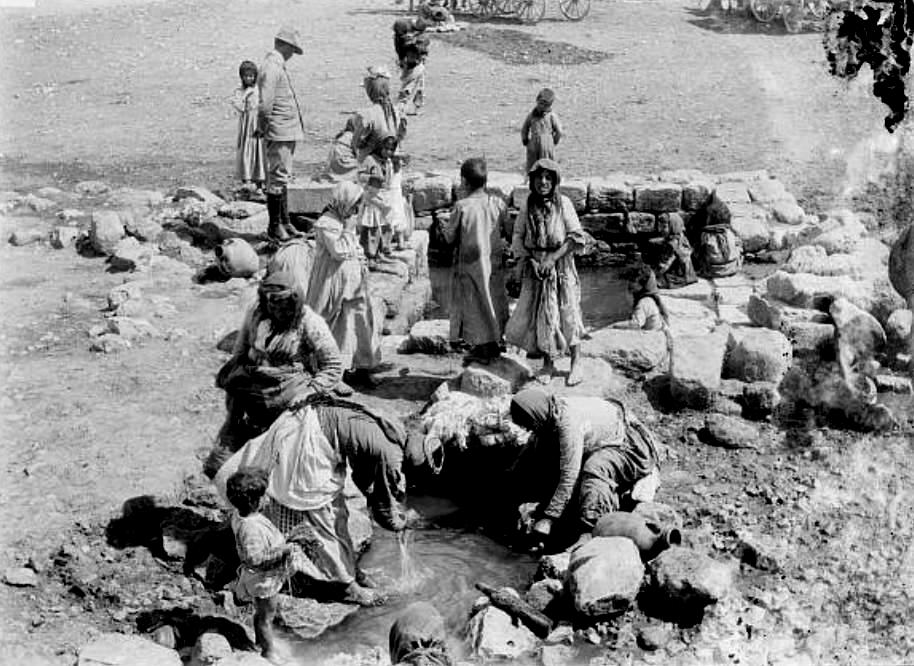
Natural resources are determined are highly influenced by geography. These resources have a huge impact on human activities, either attracting or warding off human populations. Natural resources significantly influence settlement patterns and economic development. Natural resources are substances found within the natural environment that can be utilized by humans for sustenance and economic development . There are two main types: 1) renewable and 2) Non-renewable resources. Renewable resources can be replenish by natural processes. They include air, forests, soil, sunshine, water, wind, and others. Human activity can impair or improve some of these resources to varying degrees. Non-renewable resources in contrast are finite. One exhausted, they can not be replenished, although technology can gain access to resources thought to be exhausted. Non-renewable resources include fossil fuels (coal, oil, and natural gas) and minerals. Both renewable and non-renewable resources are spread out unevenly over the globe, especially foil fuels and mineral resources. Natural resources play a critical role in shaping human society. Areas rich in resources like renewable resources (water and fertile soil) attract humans, at first hunter gathers and then agriculturists. The first important mineral was flint, used in making primitive tools. As civilizations developed metals become important, at first copper, then bronze (copper and tin), and finally iron. This led to the bronze and iron ages. minerals tend to attract populations due to economic opportunities. Resources are highly dispersed. Areas with important resources can develop dense populations. Without resources populations can be dense. Resources influence a county's trajectory, but are not determinative. There are highly successful countries without abundant natural resources (Israel, Japan, South Korea, and Switzerland). Conversely, there are countries which have abundant resources that are failed nations (Cuba, Congo, North Korea, and Venezuela). The availability of natural resources not only is determined by geography, but also by technology. In World War II, the Germans drove through Libya toward the Middle East in part because of the need for oil, but technology had not yet revealed that vast oil fields was right below the reads of their tanks on the battlefields of Libya. Technology impacts hunting, fishing, and agricultural productivity. It also influences industrial activities, transportation, and urban development. Agriculture was invented i river valleys, areas with abundant water and fertile sun. The Industrial Revolution occurred in the English midlands where coal and iron ore were found in close proximity. The uneven distribution of natural development and varying development levels can lead to power imbalances. The importance of natural resources can lead to conflict with groups or countries seeking to seize valuable resources from less-powerful entities. This is a story recounted in the Bible with the Hebrew people claiming the Promised Land and then Assyrians and Babylonians an final the Romans conquering the area. Nothing emphasizes this more than Silesia in central Europe, constantly fought over the centuries. And natural resources can impact power dynamics. The Bantu spread out over much of Africa bcause they developed Iron Age technology. The distribution of natural resources can lead to power imbalances between nations or regions. Countries rich in resources like oil or minerals can leverage these assets for economic gain and political influence, sometimes resulting in territorial disputes. The management of natural resources, especially renewable resources, is crucial for sustainable development. Over exploitation can lead to environmental degradation. It can reduce biodiversity, quality of life, and even civilization itself. Examples here include Easter Island and the Maya. In more immediate time, the American Civil War Southern Confederacy by basing their agricultural economy on two crops (tobacco and cotton) that leached the life out of the soil, were forced to expand. This effort to create new slave states led to the Civil War. Sustainable practices must balance resource utilization with environmental concerns to ensure that essential resources will be available to future generations.

Navigate the Children in History Website:
[Return to the Main geography page]
[Return to the Main topics page]
[About Us]
[[Introduction]
[Biographies]
[Chronology]
[Climatology]
[Clothing]
[Disease and Health]
[Economics]
[Geography]
[History]
[Human Nature]
[Law]
[Nationalism]
[Presidents]
[Religion]
[Royalty]
[Science]
[Social Class]
[Bibliographies]
[Contributions]
[FAQs]
[Glossaries]
[Images]
[Links]
[Registration]
[Tools]
[Children in History Home]