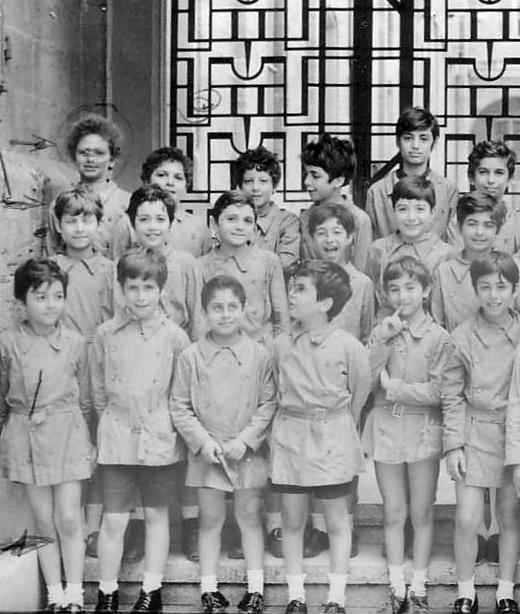
Figure 1.--This is the 8 eme class at a school I think was called the Petit College. I think it was a private school. It is an undated class photograph, but was probably taken in the late 1960s. |
|
Swiss schools did not commonly gave uniforms, although the smock was used like a uniform for many years. There may have been a few private schools with uniforms, but our information is still very limited on Switzerland. Swiss boys did not wear school caps like English boys. French-Swiss boys may have wore berets, but I am not sure how commonly. Swiss boys did not wear blazers. I believe, however, that many boys did wear suits to secondary school until the 1960s. Ties were not commonly worn at Swiss elementary schools. but they were much more common at secondary schools until the 1960s. Switzerland is a multi-cultural and linguistic country. Smocks were commonly worn by Swiss-Italian and Swiss-French boys, but less so than the Swiss-German boys. They were mostly worn to school. As far as boys clothing is concerned, the French speaking part of Switzerland was comparable to France. Regulations varied from school to schhol, but at amny schools it was compulsory for boys to wear a smock until 9-10 in the years 1930-1960, about one third would then continue up to end of primary school around 12 years. The style and colors of these smocks were left to the parents discretion, there was no uniformity but a wide variety in mainly three styles: back buttoning, side buttoning, and a pinafore style. Elementary schoolboys commonly wore short pants through the 1960s. Boys in German speaking cantons may have worn Lederhosen to some extent. Some boys switched to knickers during the winter, but others continuting wearing shorts. Boys commonly wore both short socks and kneesocks. Short socks were common during the warmer months. Younger boys wearing shorts in the winter might wear them with long over-the-knee stockings. In the 1960s long stockings were replaced with tights. Many elementary children wore close toe sandals, especially during the warmer months. These sandals were more common in the French (and probably the Italian) cantons, but were less c ommon in the German cantons. Sandals were not commonly worn in secondary schools.
We do not yet have much information about Swiss school headwear. Swiss boys did not wear school caps like English boys. We think German styles may have been the most common. Sailor styles may have been worn in the late-19th and early 20th century. French-Swiss boys may have wore berets, but I am not sure how commonly. We do see a number of children wearing stocking caps when the weather go chilly. These stocking caps may have been the most common style worn in Switzerland, but they were seasonal. We are not sure just when Swiss boys began to wear them.
We see many boys wearing suits in the early 20th century. Swiss boys for the most part did not wear blazers like British boys. Blazers may have been worn at some private schools, but we currently have no information on this. And we habe not yet found blazers in the photographic record. I believe, however, that many boys did wear suits to secondary school until the 1960s. These seem to have been formal suits rather than blazers. We note the younger boys at a Zürich school in 1928 nostly wearing suits, although few of the boys wearing neck ties. The boys wear knee pants and short pants suits. Older boys might wear knickers or long pants suits. I am not sure to what extent there were dress cods requiring suits or this was just the ways boys dressed at the time.
Sweaters were an important garment for Swiss school children, especially the boys. Switzerland is a mountanous country and even on a nice summer day can be a little chilly in the morning. During the Winter it can be very cold and snowy. sweaters were an ideal garment for keeping warm on a chilly day. And the sweater was a flexible garment in that it could be taken off if the day warmed up. We notice swiss children wearing a wide variety of sweaters to school. We notice different types. There were different collars as well as various buttoining arrangements. We also see pullovers. Most sweaters had long sleeves, but there were also sleeveless sweaters. There was also a range of colors and patterns.
Ties were not commonly worn at Swiss elementary schools. but they were much more common at secondary schools until the 1960s. We note secondary students wearing ties with suits. These appear to have been ties of the boys' chosing. We do not note any school ties.
Switzerland is a multi-cultural and linguistic country. Smocks were commonly worn by Swiss-Italian and Swiss-French boys, but less so than the Swiss-German boys. They were mostly worn to school. As far as boys clothing is concerned, the French speaking part of Switzerland was comparable to France. Regulations varied from school to schhol, but at amny schools it was compulsory for boys to wear a smock until 9-10 in the years 1930-1960, about one third would then continue up to end of primary school around 12 years. The style and colors of these smocks were left to the parents discretion, there was no uniformity but a wide variety in mainly three styles: back buttoning, side buttoning, and a pinafore style.
We do not have much information on the pants Swiss school boys wore in the 19th century. We suspect that trends were very close to those in Germany, or French styles in the French-speaking camtons. We know nuch more about the 20th century. We nostly see knee pants in the early-20th century. Some younger boys may have worn bloomer knickers. After World War I we see both short pants and knee pants, but gradually short pants, albeit long short pants became more common. Short pants were not just worn by boys in primary schools, but the younger boys in elermentary school as well. One difference between Germany and Switzerland was that Swiss boys rarely wore Lederhosen. We do see H-bar shorts, but rarely Lederhosen. Some boys switched to knickers during the winter, but others continuting wearing shorts. Here they were kept warm by wearing long stockings. Older teenagers might wear knickers or eventually long pants. This continued into the 1950s. Graduall\y long pants became more common. Long pants became more common in the 1960s, even for younger boys. By the 1970s, boys were mostly wearing long pants to school. Short pants became increasing casual, summer wear.
We note a variety of hosiery worn by Dwiss school children. Swiss children commonly wore both short socks and knee socks as well as long stockings. We note mostly three-quarter socks and long stockings in the early 20th century. Knee socks gradually became very common, Younger boys wearing shorts in the winter might wear them with long over-the-knee stockings. The popularity of the various types of hosiery varied over time. There were also some gender differences. After World War II short socks became common during the warmer months and gradually became more important. We see fewer children wearing long stockings in the 1950s and more children wearing long pants. In the 1960s long stockings were replaced with tights. Also we do not see knee socks very commonly by the 1960s, they seem to have been gradually replaced with ankle socks.
Many elementary children wore close toe sandals, especially during the warmer months. These sandals were more common in the French (and probably the Italian) cantons, but were less common in the German cantons. Sandals were not commonly worn in secondary schools.
We do not have much information on Swiss gym uniforms. We believe that as with German and French schools, gym and physical education was not a major part of the curriculum. Many Swiss schools did not have gym or substantial physical education facilities. The larger city secondary schools oprobably did have gyms, but wee doubt if the primary schools did. We have no information at this time about gym clothes and uniforms. We notice the younger school at an unidentified secondary schools wearing mostly plain singlets and dark colotred short pants. One concern associated with gym and spoorts is getting chilkdren outside in the fresg sair and sunshine. We notice a rural school moving childten to open air classes in the 1920s. And the olde boys seem to be wearing rimper poants as a gym uniform. Germans in part compensated for weak gym abd sports programs at school by sports clubs, but these clubs seem geberally more limited in Switzerland. We note some voluntary PE activities after school, but are unsure about the time line for this activity. [Pühse and Gerber] Just what was offered varied both among Cantons and individual schools. There was some concern among sports clubs with the voluntary after schoolm PE. This has declined with the adoption of the Youth and Sport (JS) program. And budget problems have caused cut backs in after school PE. The JS program provides Swiss children acces to qualified coaches in more than 60 sports. There was a tradition of sports camps in Switzerland, but in recent year this activity has been cut back because of school budgetary constraints.
The majority of the Swiss population are ethnic Germans and tied intoi the Getrman cultural sphere. The Swiss education system in particular is srronly influenced by German trends. Traditionally many Swiss have attended German universities and German professors teach bin Swiss universities. Einstein was one such individual. One of the items where this connectin is particulary visible with younger children is the school satchell We see children in Switzerland and Germany with the same style satchells. We are, however, not sure yet about Swiss school children in the French speaking cantons. Thgey tended to dress somewhat differently than in the German speaking cantons. We note these traditioinal leather satchels through the 19650s into the y60s.
Pühse, Uwe and Markus Gerber. International Comparison Of Physical Education: Concepts, Problems.

Related Chronolgy Pages in the Boys' Historical Web Site
[Main Chronology Page]
[The 1900s]
[The 1910s]
[The 1920s]
[The 1930s]
[The 1940s]
[The 1950s]
[The 1960s]
[The 1970s]
Navigate the Relate Boys Historical Clothing Style Pages
[Main country page]
[Long pants suits]
[Short pants suits]
[Lederhosen]
[Kneesocks]
[Eton suits]
[Jacket and trousers]
[Smocks]
[Blazer
[School sandals]
Navigate the HBC National School Pages
[Return to the Main Swiss School Page]
[Return to the Main National School Page]
[Australia]
[England]
[France]
[Germany]
[Ireland]
[Italy]
[Japan]
[New Zealand]
[The Philippines]
[Poland]
[Scotland]
[South Africa]
[United States]
Navigate the HBC School Section
[Activities]
[Chronology]
[Clothing styles]
[Countries]
[Debate]
[Economics]
[Garment]
[Gender]
[Hair]
[History]
[Home trends]
[Literary characters]
[School types]
[Significance]
[Transport and travel
[Uniform regulations]
[Year level]
[Other topics]
[Images]
[Links]
[Registration]
[Tools]
[Return to the Historic Boys' School Home]