|
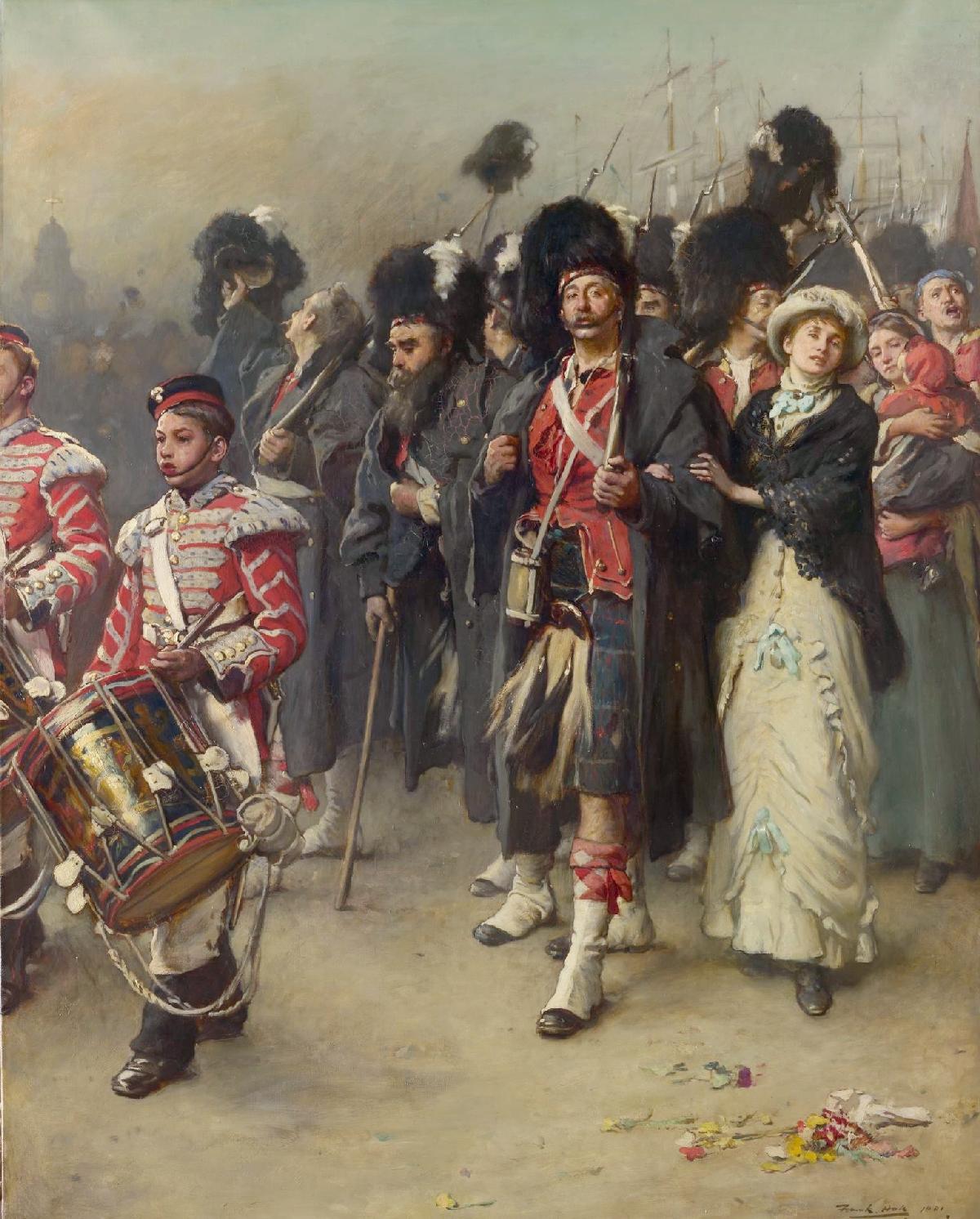
The Anglo-Afghan Wars were three short-lived 19th and early 20th-century conflicts (1838–1842, 1878–1880, 1919) between Britain and the Emorate of Afghanista. Britain had mo real interest in colonizing Afghanistran. They were concerned by Tsarist expansion into Central Asia and threats on India, Britains most valuable colony. This tension ith Tsarist Ruissia was known as the 'Great Game'. Afghan tribal warriors and forces frequently raided and engaged in hostilities along the North-West Frontier of British-controlled India throughout. These tribesmen, often allied with broader Afghan movements, conducted raids in regions like the Samana Ridge and Waziristan. The British goal was to create a client buffer indepedent of Tsarist influences and capable of controlling the riders. Afghans fiercely resisted British overtures, resulting in a disastrous British retreat from Kavul (1842) , a constrained victory (1880), and final Afghan independence (1919). The First Anglo-Afghan War (1838–1842): Initiated by the British East India Company to replace Emir Dost Mohammad Khan with the pro-British Shah Shujah. There was some initial success, but the British garrison in Kabul was massacred during their 1842 retreat. This was a total humiliation for Britain, demonstrating the difficulty of occupying the rugged territory of Afghanistan. The Second Anglo-Afghan War (1878–80) resulted from Britain's attempt to force a pro-British emir and secure control over Afghanistan's foreign relations. After military successes, the Treaty of Gandamak (1879) resulted in British control over Afghan foreign policy. The Third Anglo-Afghan War (1919) was launched by Afghan ruler Amanullah Khan shortly after taking power inan effirt to gain full independence. The conflict saw tribal attacks on British India and ended with the Treaty of Rawalpindi, recognizing Afghanistan as fully independent, ending British interference in their foreign policy.

Navigate the Children in History Website
[Return to Main Great Game page]
[Return to Main specific 19th century war essay page]
[Return to Main military style page]
[About Us]
[Introduction]
[Biographies]
[Chronology]
[Clothing]
[Disease and Health]
[Economics]
[Environmental issues]
[Feminism]
[Geography]
[History]
[Human Nature]
[Law]
[Nationalism]
[Presidents]
[Religion]
[Royalty]
[Science]
[Social Class]
[Bibliographies]
[Contributions]
[FAQs]
[Glossaries]
[Images]
[Index]
[Links]
[Registration]
[Search]
[Tools]
[Children in History Home]